Mickey Mouse Didn't Break Copyright Law — He Rewrote It
Photo: copyright law books legal documents vintage cartoon film reel, via png.pngtree.com
Mickey Mouse Didn't Break Copyright Law — He Rewrote It
If you've ever assumed that creative works — books, songs, films — eventually become available for anyone to use, you're operating on a reasonable assumption. It's also one that the last century of American copyright law has steadily undermined.
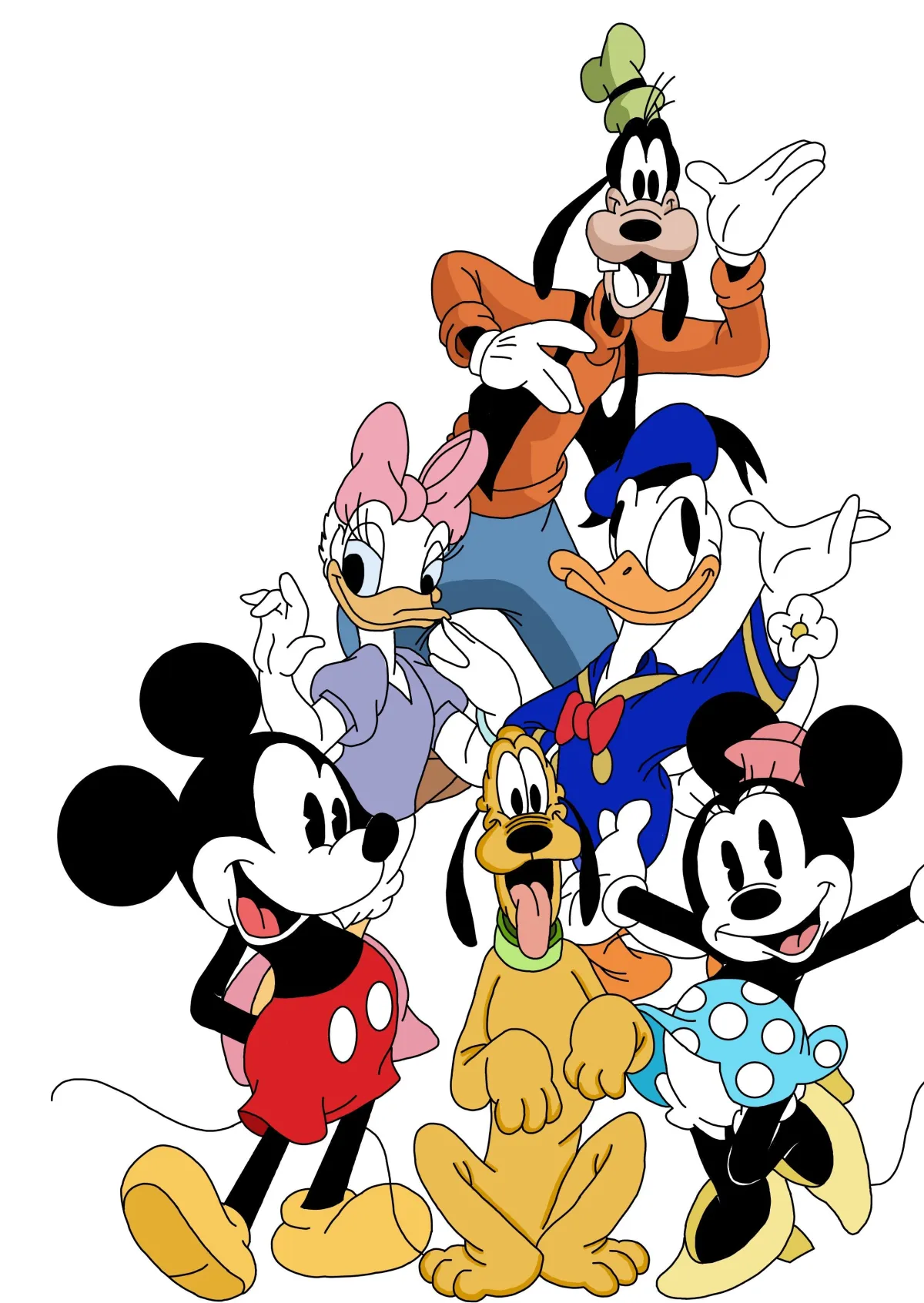 Photo: Mickey Mouse, via i.pinimg.com
The idea behind copyright is genuinely sensible: give creators a limited period of exclusive rights to profit from their work, then release it into the public domain so culture can build on it freely. That's not a fringe position. It's literally what the Founders wrote into the Constitution — "for limited Times" is the exact phrase.
The question is what "limited" means. And the answer, it turns out, has been renegotiated several times — almost always right before something valuable was about to expire.
Where Copyright Started
The first U.S. copyright law, passed in 1790, granted protection for 14 years, with the option to renew for another 14 if the creator was still alive. That's 28 years maximum. The logic was clear: give creators a window to benefit commercially, then let the work belong to everyone.
Over the following century, terms were gradually extended. By 1909, the maximum had grown to 56 years. Still bounded. Still recognizable as "limited."
Then came the twentieth century, Hollywood, and the music industry — and the math started changing in ways that weren't really about creators anymore.
The Extensions That Kept Coming
The Copyright Act of 1976 was a significant overhaul. It extended terms to the life of the author plus 50 years, or 75 years for works made for hire (like films produced by studios). That was already a substantial shift — from a fixed term to one that could stretch well past a century depending on how long the creator lived.
But the more notorious move came in 1998 with the Sonny Bono Copyright Term Extension Act, which added another 20 years across the board. Life of the author plus 70 years. Works for hire: 95 years from publication or 120 years from creation, whichever came first.
The timing was not subtle. At the time the law passed, the earliest Mickey Mouse cartoon — Steamboat Willie from 1928 — was approaching the end of its copyright protection under the existing rules. The extension kept it protected until 2024. Critics immediately dubbed the legislation the "Mickey Mouse Protection Act," a nickname that stuck precisely because it captured something true about who the law was serving.
(For the record: Steamboat Willie did finally enter the public domain on January 1, 2024 — though Disney retains trademark rights on Mickey Mouse's modern appearance, which is a separate and still very much active legal protection.)
What Public Domain Actually Means — and Why So Little Enters It
Public domain is the category of creative works that no longer carry copyright protection and can be freely used, reproduced, adapted, or built upon by anyone. Shakespeare is public domain. Most works published before 1928 in the U.S. are public domain. That's why you can find free versions of Pride and Prejudice on your e-reader.
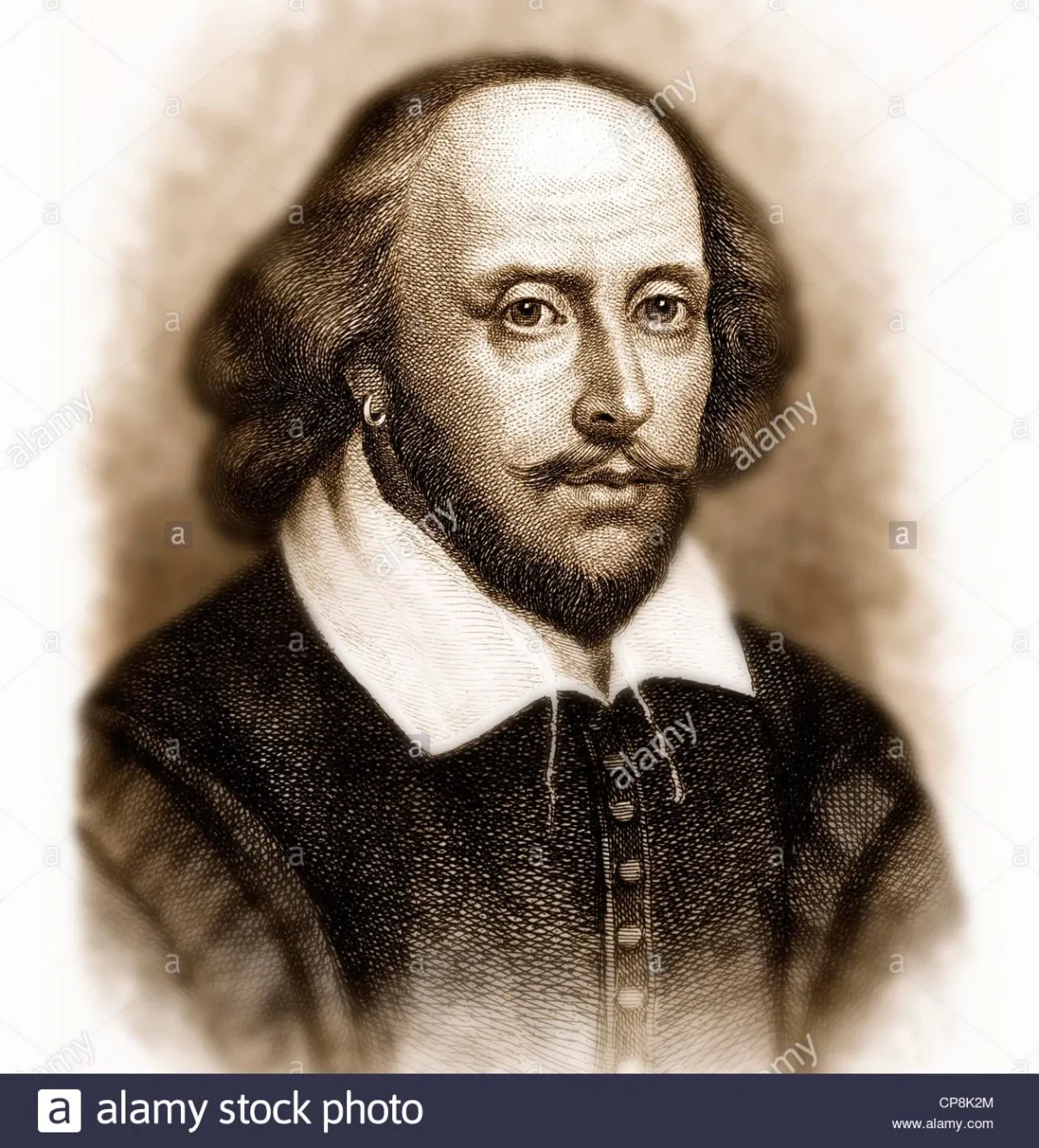 Photo: Shakespeare, via i.pinimg.com
The problem is that the pipeline into public domain has been dramatically slowed. Under the current system, a song written today by a 30-year-old artist won't enter the public domain until roughly 2165 — assuming no further extensions. A film produced by a studio this year is protected for 95 years.
For most of the twentieth century, works published between 1928 and 1977 existed in a complicated patchwork of rules depending on whether copyright was registered and renewed. Many works from that era are technically in the public domain because their owners didn't comply with renewal requirements — but figuring out which ones requires legal research that most individuals and small organizations can't easily afford.
The Lobbying Engine Behind the Law
Copyright extension doesn't happen in a vacuum. The 1998 act was supported by a coalition of entertainment industry groups — Disney, the Recording Industry Association of America, and others — who had significant financial interests in keeping valuable back catalogs under protection. The estates of deceased authors also lobbied in favor, which gave the effort a more sympathetic face than pure corporate interest.
Opponents, including a number of law professors and public interest advocates, argued that the extension benefited a tiny number of commercially valuable works at the expense of the public domain. Economist Lawrence Lessig took the case to the Supreme Court in Eldred v. Ashcroft (2003), arguing the extension was unconstitutional. The Court disagreed, 7–2, finding that Congress had the authority to define "limited times" as it saw fit — even if those times kept getting longer.
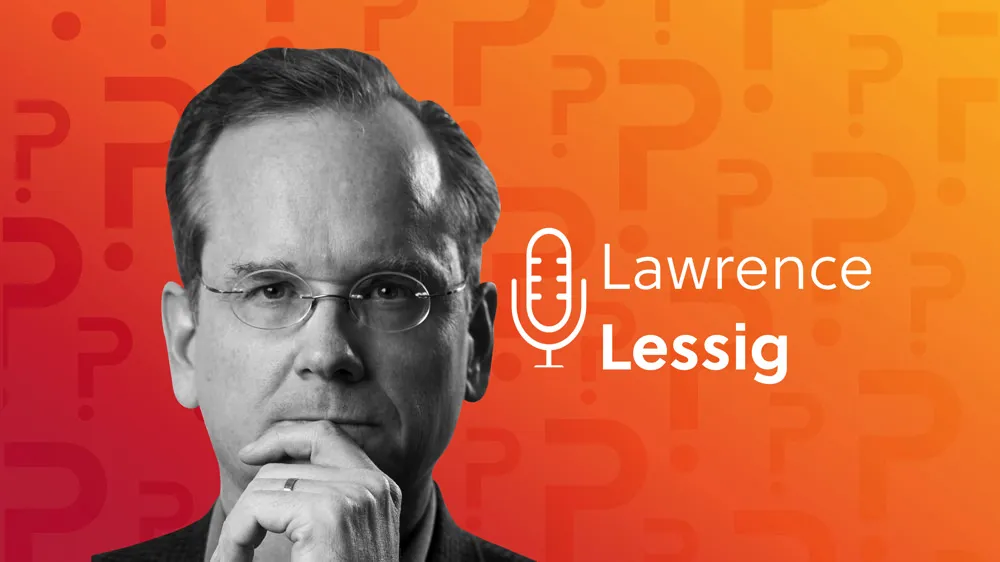 Photo: Lawrence Lessig, via www.harvardmagazine.com
The dissenting justices noted, pointedly, that a term that can always be extended is functionally equivalent to a permanent monopoly.
The Assumption Worth Revisiting
Most people carry a rough mental model in which copyright is a fair, time-limited deal: creators get protected, then the public gets the work. That model isn't wrong in principle. It's just increasingly disconnected from how the law actually operates.
The 14-year term that the Founders had in mind is now a 95-to-170-year term depending on the circumstances. Works that would have entered the public domain decades ago are still locked up. And the extensions have followed a consistent pattern — arriving just in time to prevent specific, commercially valuable properties from becoming free.
Mickey Mouse eventually crossed the line. But the law he helped reshape is still very much in place — and the next extension conversation is probably already underway somewhere on Capitol Hill.