America Built Its Entire Retirement System Around an Age Someone Chose for Political Reasons in 1935

Photo: retirement savings Social Security card calendar aging worker, via cdn.financebuzz.com
Somewhere in the back of most Americans' minds, 65 sits as a kind of finish line. Work until then. Save toward it. Count down to it. The age feels almost biological — like there's something in the human machinery that winds down around that point and signals it's time to hand in the badge.
There isn't. The number was picked in a conference room during the Great Depression, and the math behind it was never really about human health or natural life cycles. It was about keeping a new government program financially solvent. That choice has been shaping American working life — and the financial industry built around it — ever since.
The Political Arithmetic of 1935
When Franklin Roosevelt signed the Social Security Act into law in August 1935, the program needed a retirement age. Too low and the system would be flooded with beneficiaries and run out of money quickly. Too high and it would look like a cruel joke — a benefit almost no one would live to collect.
 Photo: Franklin Roosevelt, via c8.alamy.com
The administration settled on 65. The reasoning drew partly from existing pension programs — some state and private systems had already been using 65 as a benchmark — and partly from actuarial calculations designed to keep the program's costs manageable.
Here's the number that rarely appears in conversations about retirement planning: in 1935, the average life expectancy at birth in the United States was roughly 61 years. Which means the retirement age was set above the average lifespan of an American at the time the program launched.
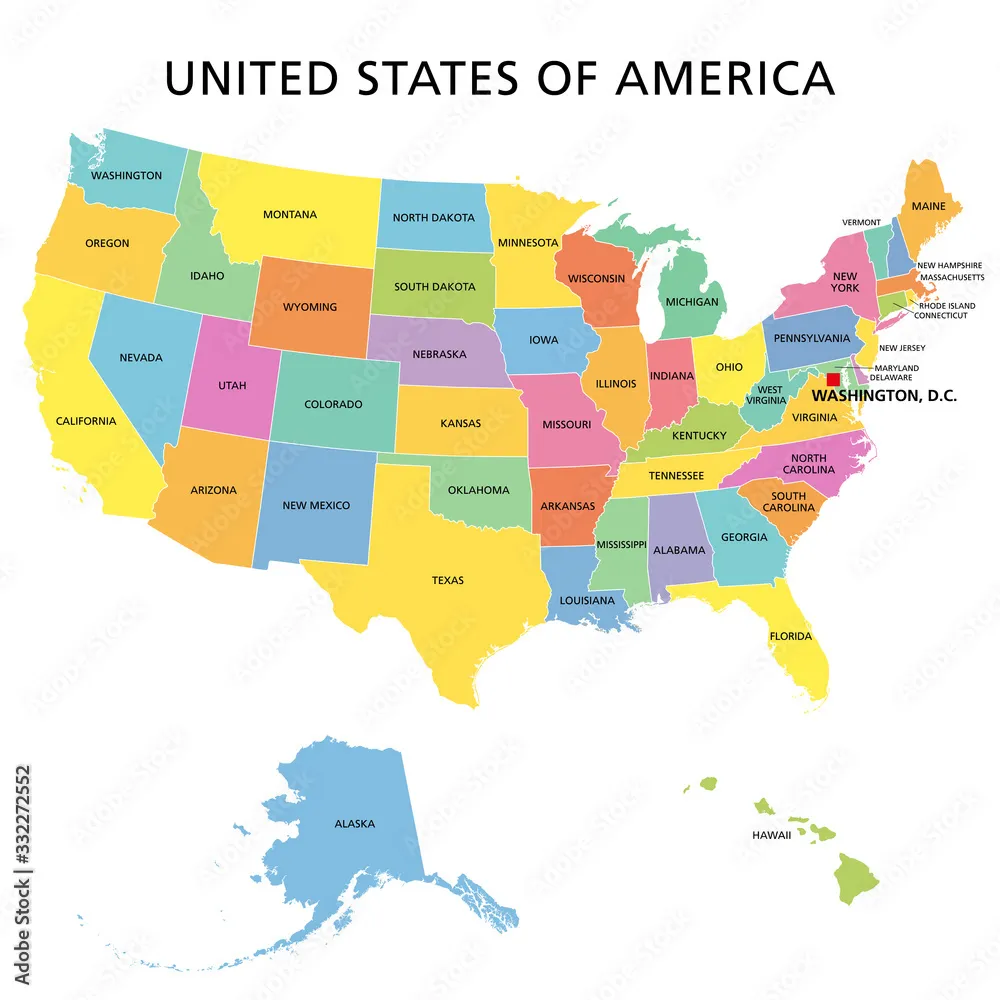 Photo: United States, via as2.ftcdn.net
This gets misread sometimes. It doesn't mean no one survived to collect benefits — plenty of people who made it to 65 lived well into their 70s and beyond. Life expectancy at birth was dragged down significantly by high infant and childhood mortality. If you reached adulthood in the 1930s, your odds of reaching 65 were better than the headline number suggests.
But the broader point holds: 65 was chosen because it was financially workable, not because it represented a natural human threshold. The architects of Social Security were explicit about this in internal documents. The age was a budget decision.
How a Budget Decision Became a Cultural Anchor
Once 65 was written into law, it didn't stay merely administrative for long. It became the organizing principle of an entire life structure.
Employers built mandatory retirement policies around it. Pension plans were designed with it as the target date. Financial advisors began constructing 40-year savings timelines that ended at 65. Insurance products were priced against it. The word "retirement" and the number 65 became so deeply fused in American culture that separating them now feels almost disorienting.
The financial services industry, which grew enormously in the second half of the twentieth century, built much of its product architecture on this foundation. IRAs, 401(k)s, and annuities are all calibrated around the assumption that 65 is when the transition happens. The entire concept of a "retirement number" — the lump sum you need to stop working — is typically calculated based on how many years remain until 65 and how many years of spending you'll need after it.
All of that structure rests on a foundation laid by a political compromise during the New Deal era.
Life Expectancy Moved. The Number Didn't.
Here's where the assumption starts to fracture under scrutiny.
Average life expectancy in the United States today is approximately 76 to 77 years, though it varies significantly by income, race, geography, and access to healthcare. That's a meaningful shift from 1935. A 65-year-old American today can reasonably expect to live another 18 to 20 years on average — sometimes considerably longer.
Social Security's full retirement age has been adjusted, modestly. For people born after 1960, it's 67. That's a two-year shift over nearly nine decades during which life expectancy at older ages increased substantially. The math has not kept pace with demographic reality.
This creates a genuine tension in how the program is discussed. Arguments about Social Security's long-term solvency often circle back to the retirement age — raise it, keep it, lower it — but those conversations rarely start from the frank acknowledgment that 65 was never a scientifically or medically derived number to begin with. It was always a policy choice, which means it's always been adjustable. The assumption that it represents something fixed or natural is the confusion doing the most damage.
What the Retirement Industry Doesn't Say Out Loud
The financial planning industry has a complicated relationship with the age of 65. On one hand, advisors increasingly acknowledge that clients may need to fund 25 or 30 years of post-work life — a reality that demands much larger savings targets than previous generations faced. On the other hand, the entire vocabulary of retirement planning still orbits 65 as though it's a law of physics.
Phrases like "early retirement" and "late retirement" only make sense relative to a norm. That norm is 65. But the norm was chosen for reasons that have nothing to do with when human beings are physically or cognitively ready to stop working, and everything to do with a budget calculation made when the New Deal was still being assembled.
Some researchers and policy advocates have begun arguing for a more flexible framework — one that accounts for the fact that physically demanding jobs age workers differently than desk work, that lower-income workers often can't work until 67 even if they want to, and that the concept of a single universal retirement age was always a simplification.
The Takeaway
Sixty-five isn't a finish line that nature drew. It's a number that a Depression-era government program needed to stay solvent, and it worked its way so thoroughly into American culture that it now feels like a biological fact.
The assumption worth questioning isn't whether 65 is the right age to retire. It's the deeper one — that there was ever a "right age" determined by anything other than politics and arithmetic. Planning your financial life around a number that was always a guess is fine, as long as you know that's what you're doing.