SPF 100 Isn't Twice the Protection of SPF 50 — The Numbers Were Never Meant to Work That Way
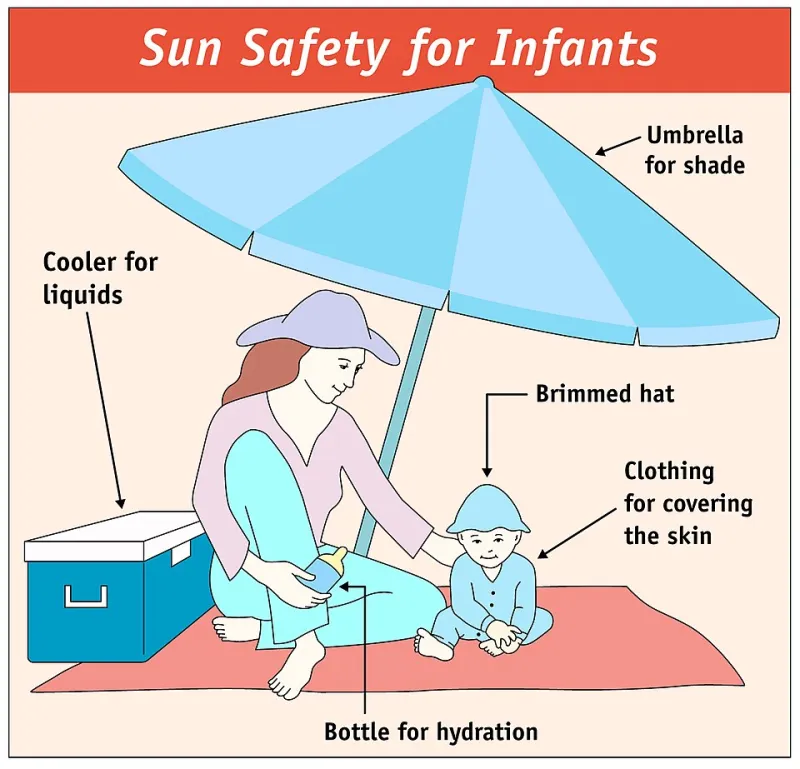
Photo: FDA graphic by Michael J. Ermarth, Public domain, via Wikimedia Commons
Stand in the sunscreen aisle of any pharmacy in America and you'll find bottles ranging from SPF 15 to SPF 100+. The implicit message is hard to miss: bigger number, better protection. It's the same logic you'd apply to almost anything else — horsepower, thread count, gigabytes. More is more.
Except SPF doesn't work that way. The scale is nonlinear, the differences at the high end are marginal, and the number on the label tells you almost nothing about how well a product will actually protect your skin. Dermatologists have been saying this for years. The sunscreen industry has been quietly ignoring them.
What SPF Actually Measures
SPF stands for Sun Protection Factor, and it measures one specific thing: how much longer you can stay in the sun before UVB rays cause sunburn compared to wearing nothing at all.
An SPF of 30 means, in theory, that it would take 30 times as long for your skin to burn with the product applied as it would without it. If unprotected skin starts to burn after 10 minutes, SPF 30 theoretically extends that to 300 minutes.
But here's the part that gets lost in the marketing: SPF also translates directly to the percentage of UVB rays blocked. And when you look at it that way, the numbers get a lot less dramatic.
- SPF 15 blocks about 93% of UVB rays
- SPF 30 blocks about 97%
- SPF 50 blocks about 98%
- SPF 100 blocks about 99%
The jump from SPF 30 to SPF 50 buys you one additional percentage point of UVB protection. The jump from SPF 50 to SPF 100 buys you another. By the time you're choosing between SPF 50 and SPF 100, you're arguing over fractions of a percent — while paying a meaningfully higher price for the premium product.
The UVA Problem Nobody Mentions at the Checkout Counter
Here's where the SPF story gets more complicated: it only measures UVB protection.
There are two types of UV radiation that reach the earth's surface. UVB rays are the ones that cause sunburn and are the primary driver of the kind of DNA damage that leads to most forms of skin cancer. SPF measures protection against those.
UVA rays penetrate more deeply into the skin, contribute to premature aging, and are also linked to skin cancer — including melanoma, the deadliest form. SPF tells you nothing about how well a product handles UVA.
The FDA requires broad-spectrum sunscreens to protect against both, but the ratio of UVA to UVB protection isn't captured anywhere in the SPF number. Two products with the same SPF rating can have dramatically different UVA protection profiles. Without reading the ingredient list — and knowing what you're looking for — the SPF number gives you an incomplete picture at best.
How the Industry Learned to Love High Numbers
The FDA has actually tried to pump the brakes on SPF inflation. In 2011, the agency proposed capping SPF labeling at "50+" on the grounds that higher numbers were misleading consumers without offering meaningfully better protection. The proposal was never finalized, and sunscreen manufacturers continued producing and marketing SPF 70, 85, and 100+ products.
The business logic is obvious. Higher SPF numbers justify higher price points. They create a clear product hierarchy that encourages trading up. And they tap into a consumer psychology that's been conditioned to equate bigger numbers with better outcomes.
The result is a market where SPF 100 products often cost 30–50% more than SPF 50 products while offering protection that most dermatologists describe as clinically indistinguishable for everyday use.
What Actually Determines How Well Sunscreen Works
If the SPF number is less important than we think, what actually matters? Dermatologists are fairly consistent on this.
Application amount. The SPF rating on a bottle is calculated based on applying 2 milligrams of product per square centimeter of skin. In practice, most people apply 25–50% of that amount. Which means your SPF 50 is probably functioning more like an SPF 15–25 on your actual skin. Using more product matters more than buying a higher number.
Reapplication. Sunscreen breaks down with sun exposure and washes off with sweat and water. The standard recommendation is reapplication every two hours during sun exposure, and after swimming or heavy sweating. Most people don't do this regardless of SPF.
Coverage. Ears, the back of the neck, the tops of feet, and the part in your hair are consistently missed. A comprehensive application of SPF 30 beats a partial application of SPF 100 every time.
Broad-spectrum coverage. The "broad spectrum" label, which indicates UVA and UVB protection, matters more than the SPF number for overall skin protection and cancer prevention.
Formulation. Mineral sunscreens (containing zinc oxide or titanium dioxide) and chemical sunscreens work differently and suit different skin types and activities. This is worth understanding for your specific situation — and it has nothing to do with the SPF number.
Why the Confusion Persists
Part of this is genuinely the industry's doing — the marketing of high-SPF products as premium, superior options has been consistent and effective. But part of it is also that SPF ratings feel intuitive in a way that doesn't match how they actually work.
We're accustomed to linear scales. If 50 is better than 30, then 100 should be better than 50 in the same proportion. The fact that the protection curve flattens dramatically above SPF 30 is counterintuitive, and nobody selling you sunscreen has a financial incentive to explain it clearly.
The FDA's own consumer research has found that people consistently overestimate the protection difference between high and low SPF products — and that this overestimation leads to riskier sun behavior, like spending more time in the sun or skipping reapplication because they assume their high-number product has them covered.
The Takeaway
Wear sunscreen. That part isn't complicated, and the evidence that it reduces skin cancer risk is solid. But the number on the bottle is a less meaningful guide than the industry wants you to think.
A broad-spectrum SPF 30, applied generously and reapplied regularly, will protect most people more effectively than an SPF 100 applied once and forgotten. The expensive bottle with the impressive number is a good deal for the company selling it. For your skin, what you do with the product matters more than what's printed on the label.
As usual, the assumption that bigger equals better is doing a lot of work — and the math behind it doesn't hold up.