Scientists Spent Decades Calling Your DNA Garbage — Until They Realized They Were Wrong
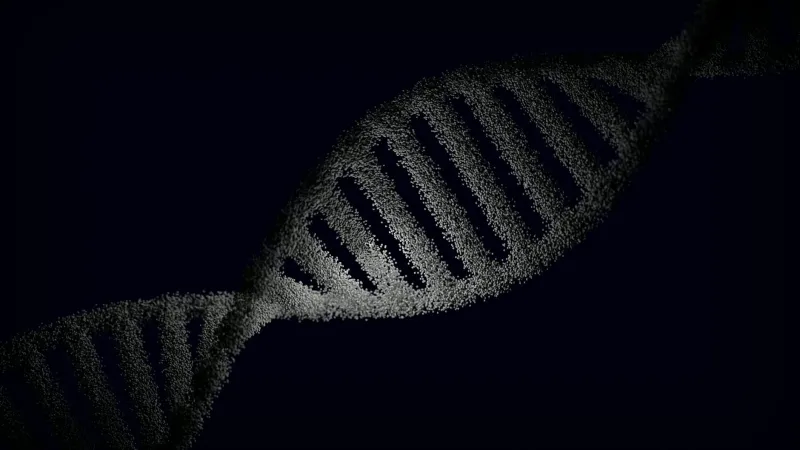
For most of the late 20th century, scientists looked at the human genome and saw a massive filing error. Only about 2% of our DNA seemed to code for proteins — the molecular machines that do most of the work in our cells. The other 98% appeared to do absolutely nothing.
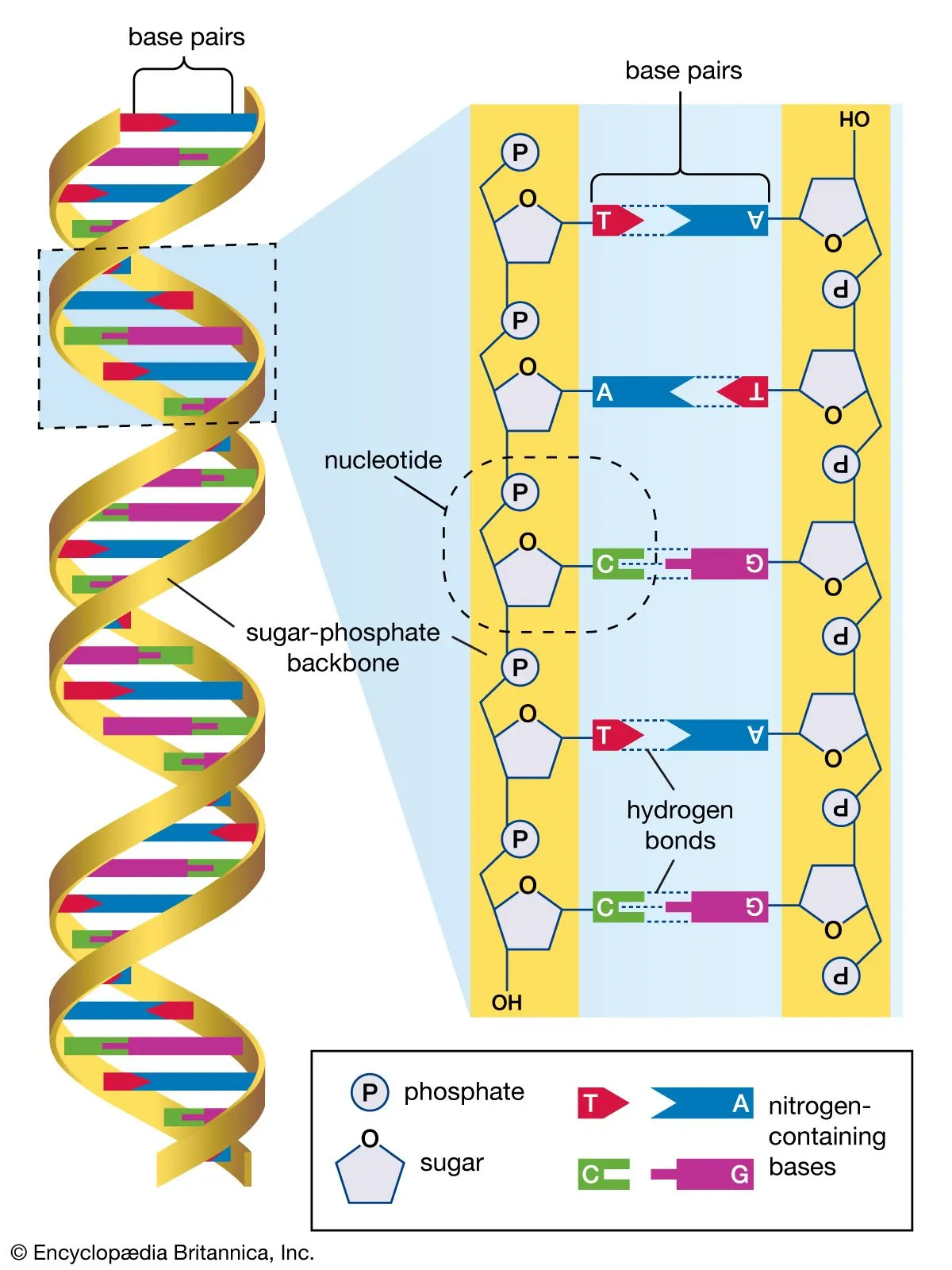 Photo: human genome, via cdn.britannica.com
So they called it junk.
"Junk DNA" became scientific shorthand for the vast stretches of genetic material that didn't fit the simple gene-makes-protein model that dominated molecular biology textbooks. It was a reasonable assumption at the time, but it was also spectacularly wrong.
The Assumption That Shaped a Generation of Science
The junk DNA concept emerged from a perfectly logical place. Early genetic research focused on finding genes that produced proteins, because proteins were easier to study and their functions were more obvious. When scientists mapped the human genome and found that protein-coding genes made up such a tiny fraction of our total DNA, many concluded the rest was evolutionary baggage — leftover sequences from millions of years of genetic accidents that cells just hadn't bothered to clean up.
This wasn't a fringe theory. It was mainstream scientific thinking, taught in universities and repeated in textbooks. The assumption made intuitive sense: if something doesn't have an obvious function, it probably doesn't have any function at all.
But intuition and biology don't always align.
When Everything Changed
The first cracks in the junk DNA theory appeared in the early 2000s, but the real earthquake came with the ENCODE project (Encyclopedia of DNA Elements). Starting in 2003, this massive international research effort set out to catalog every functional element in the human genome.
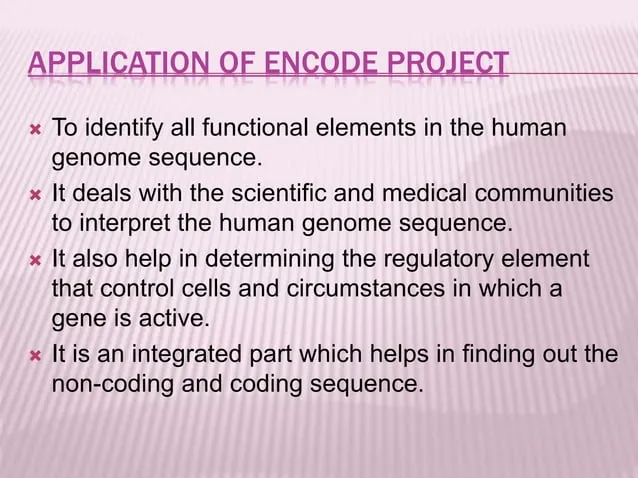 Photo: ENCODE project, via image.slidesharecdn.com
What they found demolished decades of assumptions.
Rather than 98% junk, the ENCODE researchers discovered that at least 80% of the human genome shows signs of biochemical activity. These supposedly useless DNA sequences were being transcribed into RNA molecules, binding to proteins, and regulating gene expression in ways that scientists had never imagined.
The "junk" was actually a sophisticated control system.
The Real Story Behind Your Genome
It turns out that making proteins is only part of what genomes do. Much of that so-called junk DNA acts like a biological internet, carrying signals between different parts of the cell and coordinating complex genetic programs.
Some sequences work like volume knobs, turning genes up or down in response to environmental conditions. Others act like genetic switches, determining when and where specific genes get activated during development. Still others produce RNA molecules that regulate other genes, creating intricate networks of genetic control that scientists are only beginning to understand.
The protein-coding genes that researchers focused on for decades? They're more like the visible tip of an iceberg. The real action happens in the regulatory networks that control when, where, and how much of each protein gets made.
Why the Myth Persisted So Long
The junk DNA assumption lasted for decades because it reflected the limits of scientific tools, not the limits of biology itself. Early genetic research could only detect the most obvious functions — genes that directly produced proteins. The subtle regulatory roles played by non-coding DNA required more sophisticated techniques to detect and understand.
There's also a human tendency to dismiss what we don't understand. When scientists couldn't figure out what most of the genome was doing, it was easier to assume it wasn't doing anything important than to admit the limitations of their knowledge.
The same overconfidence that produced the "humans only use 10% of their brains" myth also created the junk DNA theory. Both assumptions reflected a fundamental misunderstanding of how complex biological systems actually work.
The Takeaway
The junk DNA story offers a perfect example of how scientific assumptions can masquerade as scientific facts. For decades, the absence of evidence for non-coding DNA function was treated as evidence of absence — a logical fallacy that led an entire field down the wrong path.
Today, researchers understand that the human genome is far more sophisticated and interconnected than anyone imagined. What looked like genetic garbage was actually a complex regulatory system that scientists simply didn't have the tools or knowledge to recognize.
The next time you hear someone confidently explain what science has "proven" about human biology, remember that some of our most basic assumptions about ourselves have turned out to be completely wrong. The story of junk DNA reminds us that the absence of understanding isn't the same as the presence of knowledge — and that nature is usually more complex and elegant than our current theories suggest.