Your Expired Pills Are Probably Still Working — The FDA Just Won't Tell You That
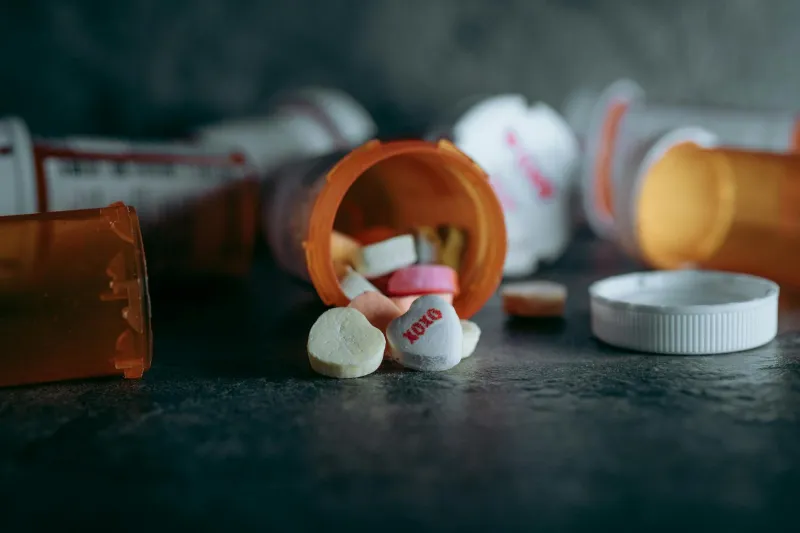
Every year, American households discard an estimated $4 billion worth of prescription medications because they've passed their printed expiration dates. In medicine cabinets across the country, people toss antibiotics, pain relievers, and chronic disease medications that could still be saving lives—and money.
The assumption seems logical: expired medicine loses potency or becomes dangerous. But decades of research funded by the U.S. military tells a dramatically different story about what those dates actually mean.
The Military's Expensive Drug Problem
In the 1980s, the Department of Defense faced a costly dilemma. Military stockpiles contained millions of dollars worth of medications approaching their expiration dates. Replacing these drugs would cost taxpayers enormous sums, but using "expired" medications raised safety concerns.
 Photo: Department of Defense, via cdn.britannica.com
The military partnered with the FDA to launch the Shelf Life Extension Program (SLEP), testing thousands of medications well past their labeled expiration dates. The results challenged everything Americans believed about drug expiration.
Researchers found that 88% of tested medications remained fully potent for an average of 66 months past their expiration date. Some drugs maintained effectiveness for over 15 years beyond the printed date. The military began safely extending the shelf life of their medical supplies, saving hundreds of millions of dollars.
What Expiration Dates Really Measure
Pharmaceutical companies determine expiration dates by testing how long they can guarantee a drug will maintain its labeled potency—typically 90% of its original strength. But this doesn't mean the medication becomes ineffective or dangerous the day after that date.
The testing process itself reveals the disconnect between expiration dates and actual drug degradation. Companies usually test medications for only two to three years, regardless of how long the drug might actually remain stable. They assign expiration dates based on this limited testing period, not on when the medication actually stops working.
This conservative approach serves multiple purposes: it limits liability, encourages regular replacement purchases, and provides a safety buffer. But it also creates a system where perfectly good medications get discarded based on arbitrary timelines rather than actual effectiveness.
The Exceptions That Prove the Rule
Certain medications do become genuinely problematic after expiration. Liquid antibiotics can lose potency relatively quickly, especially if not refrigerated properly. Insulin and other biologics have more complex stability profiles that make expiration dates more meaningful.
EpiPens present a nuanced case: the epinephrine may lose some potency over time, but an "expired" EpiPen in an emergency situation is still vastly better than no EpiPen at all. Studies have shown that even significantly expired epinephrine auto-injectors retain enough potency to be life-saving.
Tetracycline, an antibiotic, historically posed risks when degraded, potentially causing kidney damage. However, modern formulations have largely eliminated this concern, and current tetracycline medications don't present the same dangers when expired.
The Economic Reality
The current expiration date system creates a massive transfer of wealth from consumers to pharmaceutical companies. Patients discard medications they've already purchased and buy new supplies, often paying full price for replacements when their "expired" drugs would work just as well.
For people managing chronic conditions with expensive medications, this waste can create genuine financial hardship. Diabetics discard unused insulin, heart patients throw away costly blood thinners, and families dispose of emergency medications that could serve them for years longer than the label suggests.
Insurance companies rarely cover medication replacements before the previous supply should theoretically be exhausted, leaving patients to choose between following expiration date guidance and managing their healthcare budgets.
What the Research Means for You
The SLEP findings suggest that most solid medications—pills, tablets, capsules—remain effective well beyond their expiration dates when stored properly in cool, dry conditions. Heat, humidity, and light accelerate degradation, which is why bathroom medicine cabinets are actually poor storage locations.
Liquid medications, biologics, and certain specialized drugs require more caution. When in doubt about critical medications, especially those for life-threatening conditions, consulting with a pharmacist provides better guidance than blindly following expiration dates.
The broader lesson challenges Americans to question assumptions about medication waste. The expiration date system prioritizes legal protection and profit margins over practical healthcare needs, leaving consumers to navigate the gap between official recommendations and scientific reality.
Until the system changes, understanding what expiration dates actually represent—versus what they're commonly believed to mean—can help people make more informed decisions about their healthcare and their wallets.