The Rescue Dog That Never Existed
The most famous cold-weather alcohol myth comes with its own mascot: the St. Bernard rescue dog carrying a small barrel of brandy around its neck, ready to revive avalanche victims in the Swiss Alps. It's a charming image that has appeared on everything from Christmas cards to whiskey advertisements.
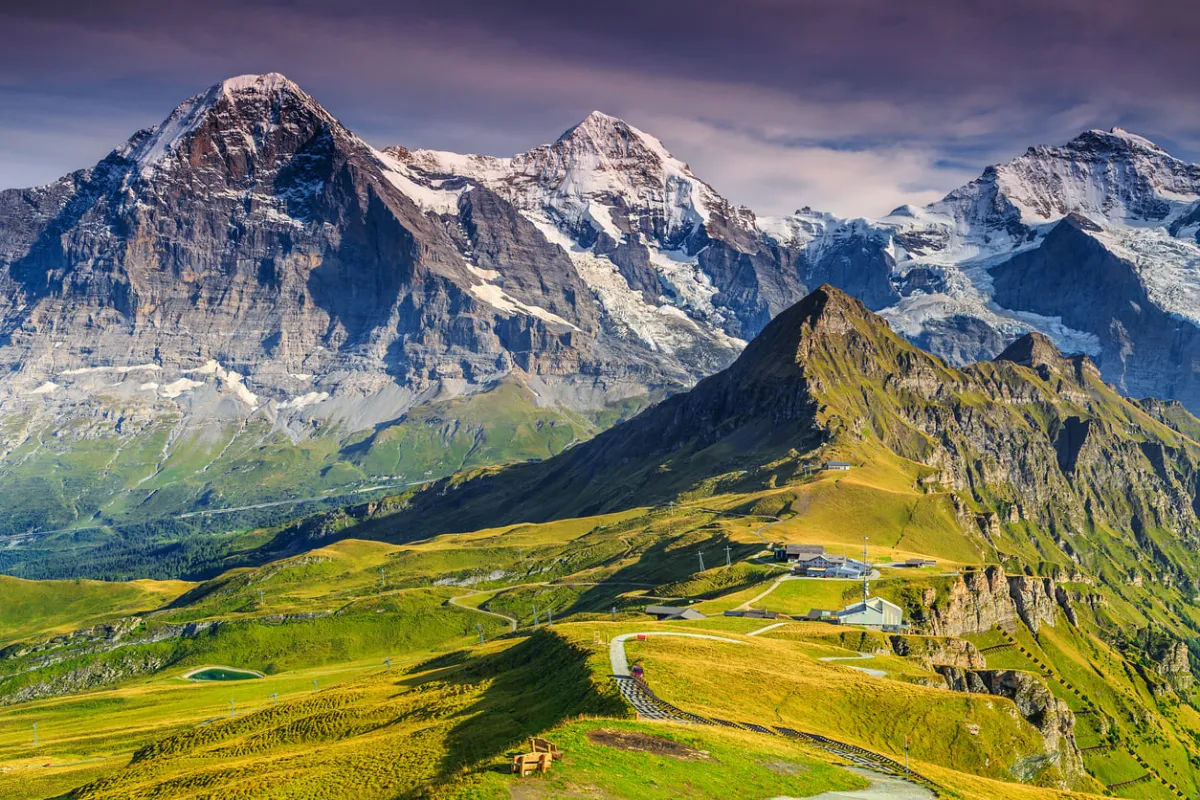 Photo: Swiss Alps, via www.muchbetteradventures.com
There's just one problem: it never happened. The monks at the St. Bernard Hospice, who did train rescue dogs for centuries, never sent them out with alcohol. The brandy barrel was invented by an English artist in 1820 and became popular through paintings and later Hollywood films.
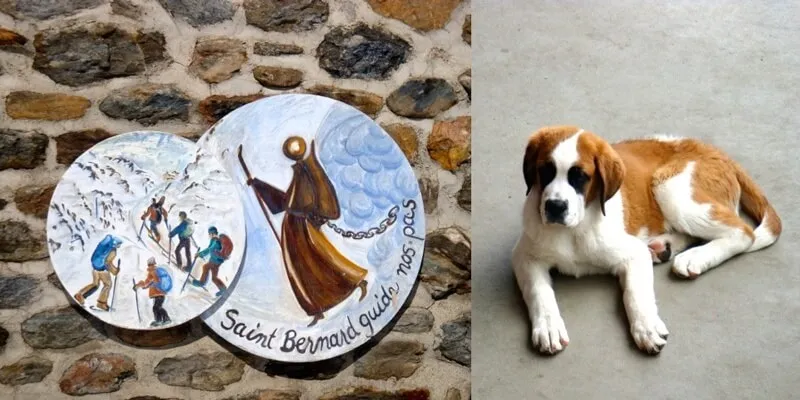 Photo: St. Bernard Hospice, via www.newlyswissed.com
But the myth stuck because it seemed to make sense. Alcohol feels warming, so it should help people survive in the cold, right? Wrong — and dangerously so.
What Alcohol Actually Does to Your Body in the Cold
When you drink alcohol, your blood vessels near the skin dilate, creating a rush of warm blood to your extremities. This produces an immediate sensation of warmth, especially in your hands, face, and chest. It feels real because it is real — but it's also temporary and ultimately counterproductive.
This dilation process pulls warm blood away from your vital organs toward your skin, where heat radiates away into the cold air. Your core body temperature — the one that actually matters for survival — begins to drop even as you feel warmer.
Worst of all, alcohol impairs your body's natural shivering response, one of your most important defenses against hypothermia. Shivering generates heat by making your muscles work rapidly. When alcohol suppresses this response, you lose a crucial warming mechanism just when you need it most.
The Hypothermia Connection
Medical research has consistently shown that alcohol consumption increases the risk of hypothermia in cold conditions. A study published in the Journal of Applied Physiology found that people who drank alcohol before cold exposure experienced faster drops in core body temperature compared to those who remained sober.
The danger is compounded by alcohol's effect on judgment and awareness. As your core temperature drops, you may not realize how cold you're getting because the alcohol continues to create that false sensation of warmth. This delayed recognition can be the difference between seeking shelter in time and developing life-threatening hypothermia.
Emergency room physicians in cold climates regularly see cases where alcohol consumption contributed to cold-weather injuries. The victims often report feeling warm right up until they lost consciousness.
Where the Warming Myth Came From
The belief that alcohol warms you up is ancient and widespread across cold-weather cultures. Russian vodka, Irish whiskey, and Scandinavian aquavit all carry cultural associations with cold-weather survival.
Historically, alcohol was often the safest liquid available during long journeys or harsh winters, when water sources might be contaminated or frozen. People noticed that drinking alcohol made them feel warmer, and this observation became embedded in folk wisdom long before anyone understood the underlying physiology.
The myth was reinforced by literature and popular culture. From Jack London's Yukon stories to countless war movies, characters regularly use alcohol to "warm up" in cold conditions. These fictional portrayals helped cement the idea in popular consciousness.
Why the Sensation Is So Convincing
The warming sensation from alcohol isn't imaginary — it's a real physiological response that happens to be misleading. When your blood vessels dilate and warm blood rushes to your skin, temperature sensors in those areas register an actual increase in heat.
This creates what researchers call a "thermal illusion." Your skin genuinely feels warmer because it is warmer, but this peripheral warming comes at the cost of core cooling. It's like turning up the heat in your house while opening all the windows — you'll feel the warmth initially, but you're actually losing heat faster than you can generate it.
The illusion is so convincing that even people who know the science intellectually can still feel like alcohol is warming them up. The immediate sensory experience overrides the abstract knowledge of what's happening inside their bodies.
What Actually Helps in Cold Weather
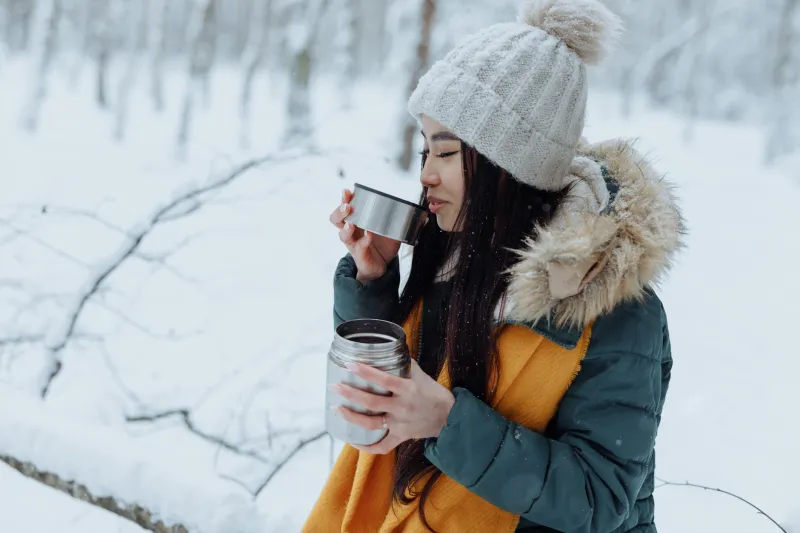
Real cold-weather survival depends on maintaining core body temperature through insulation, appropriate clothing, and caloric intake. Hot beverages without alcohol — coffee, tea, hot chocolate, or even warm water — can provide actual warming without the counterproductive effects.
Physical activity generates heat through muscle movement and increased metabolism. Eating food, especially fats and carbohydrates, gives your body fuel to burn for warmth. Staying dry and blocking wind are crucial for preventing heat loss.
Professional mountaineers, Arctic researchers, and military personnel in cold climates are trained specifically to avoid alcohol in cold conditions. Their survival protocols emphasize the dangers of the warming illusion.
The Modern Persistence of Ancient Wisdom
Despite widespread access to scientific information, the alcohol-as-warmth myth persists in popular culture and casual conversation. Ski lodges still serve "warming" drinks, winter festivals feature mulled wine and hot toddies, and people continue to joke about needing a drink to "warm up" on cold days.
Part of this persistence comes from the social and psychological comfort that alcohol provides, which people conflate with physical warmth. The ritual of sharing drinks in cold weather creates genuine feelings of warmth and community, even if the alcohol itself isn't providing thermal benefits.
The Takeaway
That shot of whiskey might make you feel warmer, but it's actually making you colder where it counts. The sensation of warmth is real, but it's also dangerous — a physiological trick that has contributed to cold-weather deaths for centuries. If you're genuinely cold, skip the alcohol and reach for actual warming strategies: hot non-alcoholic drinks, proper clothing, food, and shelter. Your core body temperature will thank you, even if the experience feels less romantically rugged than the St. Bernard myth promised.