The Wellness Industry Convinced You That Your Liver Doesn't Work
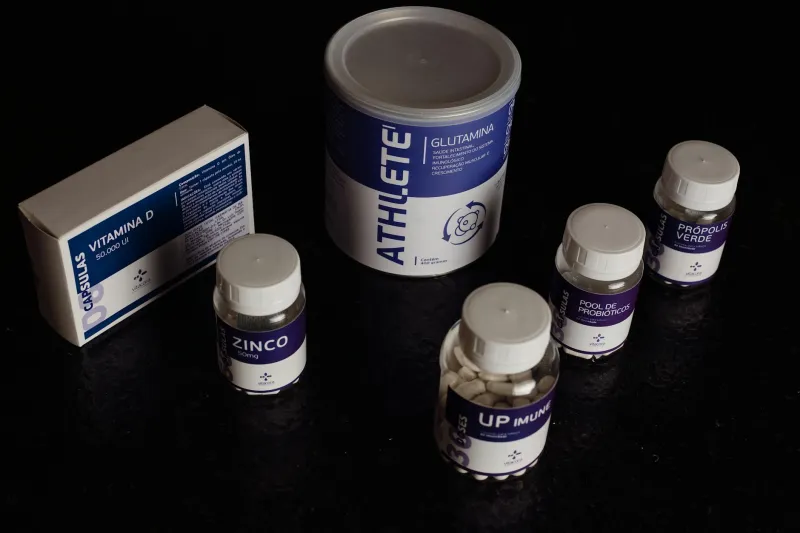
The Wellness Industry Convinced You That Your Liver Doesn't Work
Walk through any pharmacy, health food store, or Instagram feed and you'll find them everywhere: detox teas promising to flush dangerous toxins from your system, colon cleanses that claim to remove years of accumulated waste, and liver support supplements designed to help your overworked organs catch up with modern life.
The detox industry has convinced millions of Americans that their bodies are constantly accumulating mysterious poisons that require expensive outside intervention to remove. It's a brilliant business model built on a fundamental misunderstanding of how human biology actually works.
The Toxin Myth That Built an Empire
The modern wellness detox industry operates on a simple premise: your body is full of harmful toxins that your natural systems can't handle on their own. These toxins, the marketing suggests, come from processed food, environmental pollution, stress, and the general contamination of modern life.
The solution, according to detox marketers, is regular cleansing with specially formulated products that will sweep these toxins out of your system, leaving you feeling energized, clear-headed, and healthy.
It's a compelling story that taps into genuine anxieties about modern life. Who wouldn't want to flush away the accumulated damage of poor diet choices, air pollution, and daily stress? The problem is that the story is based on a complete misunderstanding of what toxins actually are and how your body deals with them.
What Toxins Actually Mean in Medicine
When medical professionals use the word "toxin," they're referring to specific, identifiable substances that cause measurable harm to biological systems. Snake venom is a toxin. Botulinum toxin is a toxin. Carbon monoxide is a toxin.
These substances have clear chemical structures, known mechanisms of action, and documented effects on human physiology. When someone is poisoned by an actual toxin, doctors can test for it, measure its levels, and track how the body processes it.
The "toxins" that detox products claim to remove are never identified with this kind of specificity. Detox marketers use the word as a vague catch-all term for anything that might be harmful, from food additives to stress hormones to normal metabolic byproducts.
This linguistic sleight of hand allows detox companies to make dramatic health claims without ever having to prove that the substances they're targeting actually exist or cause the problems they claim to solve.
Your Body's Built-in Detox System
Here's what detox marketers don't want you to know: you already own the most sophisticated toxin removal system ever developed. It's called your liver, kidneys, lungs, and skin, and it's been keeping humans alive for thousands of years without any help from specialty teas or colon cleanses.
Your liver alone performs over 500 different functions related to processing and neutralizing potentially harmful substances. It breaks down alcohol, metabolizes medications, and converts ammonia (a genuinely toxic byproduct of protein metabolism) into harmless urea that gets filtered out by your kidneys.
Your kidneys filter about 50 gallons of blood every day, removing waste products and maintaining the precise chemical balance your body needs to function. Your lungs eliminate carbon dioxide with every breath. Your skin provides a barrier against environmental contaminants and helps regulate body temperature.
This system works so efficiently that most people never think about it. When it fails — in cases of liver disease, kidney failure, or lung damage — the consequences are immediate and severe, requiring intensive medical intervention. The idea that healthy organs need help from detox products to do their job properly has no basis in human physiology.
The Marketing Psychology That Sells Cleanses
The detox industry succeeds because it offers something that appeals to fundamental human psychology: the promise of a fresh start. The idea that you can wash away past mistakes, reset your body's systems, and begin again with a clean slate is emotionally powerful even when it's scientifically impossible.
Detox marketing also exploits the complexity of modern health challenges. When people feel tired, bloated, or generally unwell, they want simple explanations and concrete solutions. "You have toxins, buy this product" is much more satisfying than "you might need more sleep, better stress management, and gradual lifestyle changes."
The industry has also perfected the art of unfalsifiable claims. When detox products don't produce dramatic results, companies can always blame the customer for not following the program correctly, having too many toxins to remove in one cycle, or needing a longer cleanse to see benefits.
The Real Cost of Fake Solutions
Americans spend over $5 billion annually on detox and cleanse products, money that could be invested in interventions that actually improve health: better food, gym memberships, stress reduction programs, or preventive medical care.
The detox industry also undermines trust in actual medical expertise. When people believe their bodies are constantly accumulating toxins that doctors ignore, they're more likely to seek alternative treatments for real health problems and less likely to trust evidence-based medicine.
Some detox products can even be harmful. Colon cleanses can disrupt normal gut bacteria and cause dehydration. Extreme detox diets can lead to nutrient deficiencies and metabolic problems. Liver detox supplements can actually stress the liver they claim to support.
The Bottom Line
The next time you see a detox product promising to remove mysterious toxins from your body, remember that your liver and kidneys are already doing that job more effectively than any tea, supplement, or cleanse program ever could.
If you're genuinely concerned about toxic exposure, focus on proven strategies: eat a varied diet rich in fruits and vegetables, stay hydrated, exercise regularly, get adequate sleep, and avoid known toxins like excessive alcohol, tobacco, and unnecessary medications.
The detox industry has built a multi-billion-dollar empire by convincing people that their bodies don't work properly without outside help. It's a profitable lie that exploits both our desire for simple solutions and our fundamental misunderstanding of human biology.
Your body is not a dirty house that needs regular cleaning. It's a sophisticated biological system that has been handling the job of detoxification just fine without any help from the wellness industry — and it will continue doing so long after the latest cleanse fad fades away.