The $41 Billion Word That Means Nothing
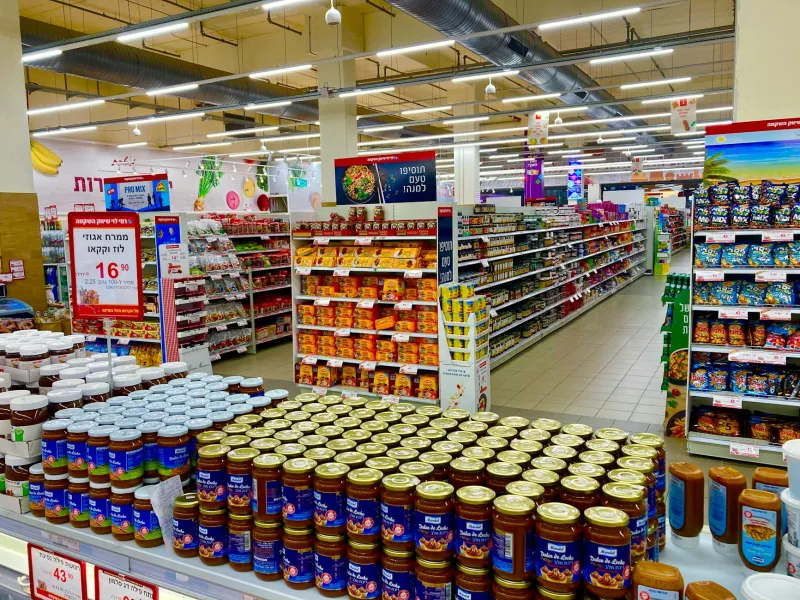
Walk down any grocery aisle in America and you'll see it everywhere: "Natural" emblazoned across packages of everything from potato chips to frozen dinners. The word appears on products that command premium prices and influence millions of purchasing decisions daily. The natural products industry generates over $41 billion annually in the United States.
Here's what most shoppers don't know: the Food and Drug Administration has never formally defined "natural" for food labeling purposes. Unlike "organic," which requires certification and adherence to strict federal standards, "natural" is essentially a marketing term that manufacturers can apply with almost complete freedom.
 Photo: Food and Drug Administration, via images.seeklogo.com
What "Natural" Actually Means (Spoiler: Almost Anything)
The FDA's current policy on "natural" claims dates back to 1993 and consists of a single, vague sentence: the agency considers "natural" to mean that "nothing artificial or synthetic has been included in, or has been added to, a food that would not normally be expected to be in that food."
This definition is so broad it's practically meaningless. It doesn't specify what counts as "artificial" or "synthetic." It doesn't address processing methods, farming practices, or ingredient sourcing. It doesn't even require companies to prove their "natural" claims.
The result? Food manufacturers have interpreted "natural" in wildly different ways. Some use it to describe minimally processed foods. Others apply it to products containing high fructose corn syrup, arguing that corn is a natural plant. Still others use "natural flavors" derived through chemical processes that would surprise most consumers.
The Premium Price of a Meaningless Label
Consumer research consistently shows that Americans associate "natural" with healthier, safer, and more environmentally friendly products. They're willing to pay significantly more for items carrying the label — often 15-20% above conventional alternatives.
This price premium exists despite the lack of regulatory oversight. Companies can boost profit margins simply by adding "natural" to their packaging, with no requirement to change their actual ingredients or processes. It's one of the most cost-effective marketing strategies in the food industry.
A 2016 Consumer Reports survey found that 73% of shoppers actively look for "natural" labels when grocery shopping. Most assumed the term was regulated similarly to "organic" and indicated some form of government oversight or third-party verification.
Why the FDA Keeps Avoiding a Real Definition
The FDA has repeatedly considered creating an official definition for "natural" and repeatedly decided against it. The agency has received thousands of public comments on the issue over the past three decades, held public hearings, and commissioned studies — but has consistently concluded that defining "natural" would be too complex and controversial.
Part of the challenge lies in the philosophical question of what constitutes "natural" in modern food production. Is selective breeding natural? What about fermentation using laboratory-cultured bacteria? How about ingredients that occur in nature but are produced synthetically?
The FDA also faces pressure from multiple directions. Consumer advocacy groups want strict definitions that would limit manufacturers' use of the term. Food companies prefer the current system that gives them maximum flexibility. Agricultural interests worry that new definitions might favor some farming methods over others.
The Organic Comparison That Makes Everything Clear
The contrast with "organic" labeling illustrates just how meaningless "natural" has become. To use the USDA Organic seal, producers must:
 Photo: USDA Organic, via static.vecteezy.com
- Follow detailed standards for soil quality, animal raising practices, pest control, and additive use
- Submit to annual inspections by certified third-party agents
- Pay certification fees and maintain extensive documentation
- Comply with strict rules about processing methods and ingredient sourcing
Products labeled "natural" face none of these requirements. A manufacturer can print "natural" on packaging without any oversight, inspection, or verification process whatsoever.
The Lawsuit Lottery
The absence of federal definition has created a thriving area of litigation. Class-action lawsuits challenging "natural" claims have targeted major brands including General Mills, Frito-Lay, and Coca-Cola. Plaintiffs typically argue that products containing genetically modified ingredients, artificial preservatives, or highly processed components can't legitimately be called "natural."
These lawsuits have resulted in millions of dollars in settlements, but they haven't created consistent industry standards. Courts in different jurisdictions have reached different conclusions about what "natural" should mean, adding to the regulatory confusion.
What "Natural" Really Tells You About Your Food
Given the lack of regulatory oversight, a "natural" label tells you almost nothing definitive about the product inside the package. It might indicate minimal processing, or it might not. It could mean the absence of artificial ingredients, or it could include synthetic substances that the manufacturer considers "natural."
Some companies use "natural" responsibly, applying it only to products with simple ingredient lists and minimal processing. Others use it as a marketing tool on highly processed foods that happen to avoid certain artificial additives while including others.
The only way to know what "natural" means for a specific product is to read the full ingredient list and research the company's policies — the same due diligence you'd need for any food purchase.
The International Perspective
Other countries have taken different approaches to "natural" claims. The European Union prohibits "natural" labels on foods that have been significantly processed or contain artificial additives. Canada requires that "natural" products be minimally processed and free from added vitamins, minerals, artificial flavors, and most preservatives.
 Photo: European Union, via logos-world.net
These international standards highlight how uniquely unregulated the American "natural" market has become. What passes for "natural" in U.S. grocery stores might not qualify for the label in other developed countries.
The Consumer Reality Check
For American shoppers, the "natural" label represents one of the most expensive non-guarantees in the grocery store. You're paying premium prices for a term that has no legal meaning and provides no verified benefits.
If you're looking for foods with specific qualities — minimal processing, organic ingredients, no artificial additives — your best bet is to ignore "natural" claims entirely and focus on more specific, regulated labels like USDA Organic, Non-GMO Project Verified, or detailed ingredient lists.
The Takeaway
The "natural" food label is a masterclass in successful marketing built on regulatory absence. While shoppers assume they're buying something cleaner, safer, or healthier, they're actually just paying more for a word that means whatever the manufacturer wants it to mean. Until the FDA creates an actual definition — something they've been avoiding for 30 years — "natural" remains the food industry's most profitable meaningless promise.