The Morning Meal That Wasn't Important Until Someone Had Cereal to Sell
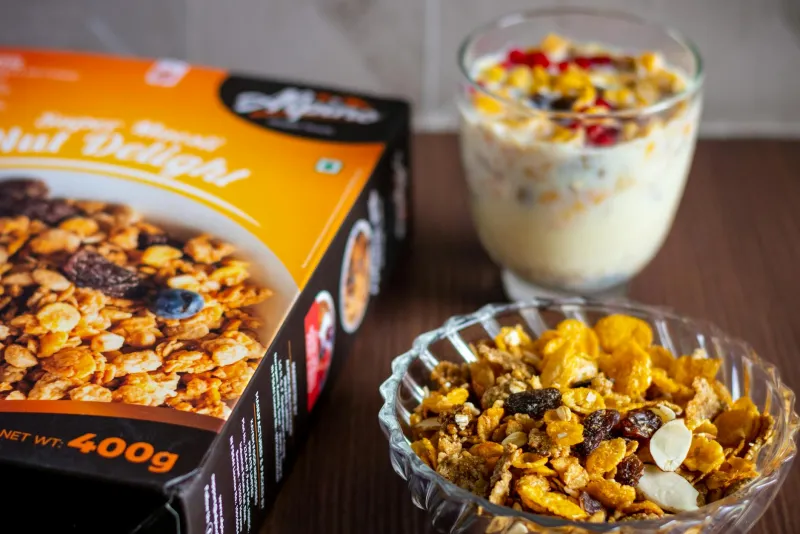
The Gospel According to Kellogg
Walk into any American kitchen, and you'll likely find someone who can recite the breakfast commandment: "It's the most important meal of the day." Parents say it to kids rushing out the door. Nutritionists repeat it in magazines. Even your grandmother probably believed it.
But here's what most people don't know: this piece of nutritional wisdom didn't emerge from medical research or centuries of human dietary observation. It came from a sanitarium in Michigan and the marketing departments of cereal companies.
The story begins with John Harvey Kellogg, the eccentric doctor who ran the Battle Creek Sanitarium in the late 1800s. Kellogg believed that heavy, meat-filled breakfasts were corrupting American morals and health. His solution? Light, grain-based morning meals that would promote both physical and spiritual purity.
Kellogg wasn't just preaching — he was selling. Along with his brother Will, he developed corn flakes as the perfect breakfast food. But convincing Americans to abandon their traditional hearty morning meals of eggs, bacon, and steak required more than just a new product. It required a complete reframing of what breakfast should be.
From Sanitarium to Supermarket
The Kellogg brothers weren't alone in recognizing the commercial potential of breakfast reformation. C.W. Post, another Battle Creek entrepreneur, launched his own cereal empire with Grape-Nuts in 1897. Post's advertising was revolutionary for its time, making bold health claims and positioning breakfast cereal as scientifically superior to traditional foods.
By the early 1900s, these companies had discovered something powerful: if you could convince people that breakfast was uniquely important, you could create a dedicated market that didn't exist before. Americans had eaten morning meals for centuries, but they hadn't thought of breakfast as a special category requiring special foods.
The marketing worked. Cereal companies spent millions on advertising campaigns that emphasized the critical nature of the morning meal. They funded studies, sponsored nutrition education, and partnered with schools to spread their message. The phrase "most important meal of the day" became so ubiquitous that most people forgot it had ever been a slogan.
What the Science Actually Says
Here's where the story gets interesting: modern nutritional research suggests the breakfast boosters may have oversold their case.
Studies on meal timing show that the human body is remarkably adaptable. Some people genuinely perform better with morning fuel, while others function just fine — or even better — when they delay their first meal. The idea that everyone needs breakfast to "jumpstart their metabolism" or "fuel their brain" oversimplifies how individual metabolisms actually work.
Intermittent fasting research has shown that many people can skip breakfast without negative health consequences. Some studies even suggest potential benefits from giving the digestive system a longer overnight break. The key factor isn't when you eat your first meal, but the overall quality and quantity of food consumed throughout the day.
Dr. Mark Mattson, a neuroscientist at Johns Hopkins, has spent years studying meal timing. His research indicates that the human body evolved to function during periods without food — something that would be impossible if breakfast were truly critical for daily function.
Why the Myth Persists
So why does the breakfast myth maintain such a strong hold on American culture?
First, there's the sunk cost of belief. Generations of Americans have organized their mornings around this principle. Parents have fought breakfast battles with their kids. The idea has become woven into our understanding of proper nutrition and responsible parenting.
Second, the food industry continues to benefit from breakfast's elevated status. The breakfast market generates billions in revenue annually, from cereals and breakfast bars to fast-food morning menus. These companies have little incentive to challenge a belief that drives consistent consumer behavior.
Third, correlation gets confused with causation. Studies often show that breakfast eaters have better health outcomes than breakfast skippers. But these studies frequently don't account for other lifestyle factors. People who eat regular breakfasts might also be more likely to plan their meals, exercise regularly, and maintain other healthy habits.
The Real Story About Morning Meals
The truth about breakfast is far more individual than the cereal box wisdom suggests. Some people genuinely need morning fuel to function optimally. Others perform better on an empty stomach until later in the day. Many fall somewhere in between.
What matters more than meal timing is meal quality. A breakfast of sugary cereal and processed pastries isn't inherently better than no breakfast at all. Meanwhile, a balanced meal — whether eaten at 7 AM or 11 AM — provides genuine nutritional value.
The breakfast myth also reveals something important about how commercial messages become cultural truths. When companies invest enough money and time in promoting an idea, it can eventually feel like common sense rather than marketing.
The Takeaway
The next time someone tells you that breakfast is the most important meal of the day, remember that this "fact" started as a sales pitch. The real importance of any meal depends on your individual needs, lifestyle, and overall dietary patterns — not on century-old marketing campaigns.
That doesn't mean breakfast is bad or unnecessary. It means the decision of when and what to eat in the morning should be based on how your body actually responds, not on advice that originated in a cereal company boardroom.
The most important meal of the day might just be whichever one makes you feel your best.