The Comfort Zone That Backfires
Every day, millions of American drivers make what feels like the obvious choice: when entering a three-lane highway, they slide into the middle lane and stay put. It seems logical—avoid the chaos of merging traffic on the right, stay clear of speed demons on the left, and cruise safely in between. Ask any driver why they prefer the middle lane, and you'll hear the same reasoning: it's the responsible, cautious thing to do.
Traffic engineers have been watching this behavior for decades, and they've reached a troubling conclusion: the "safe" middle lane strategy is actually making highways more dangerous for everyone.
What Traffic Flow Actually Looks Like
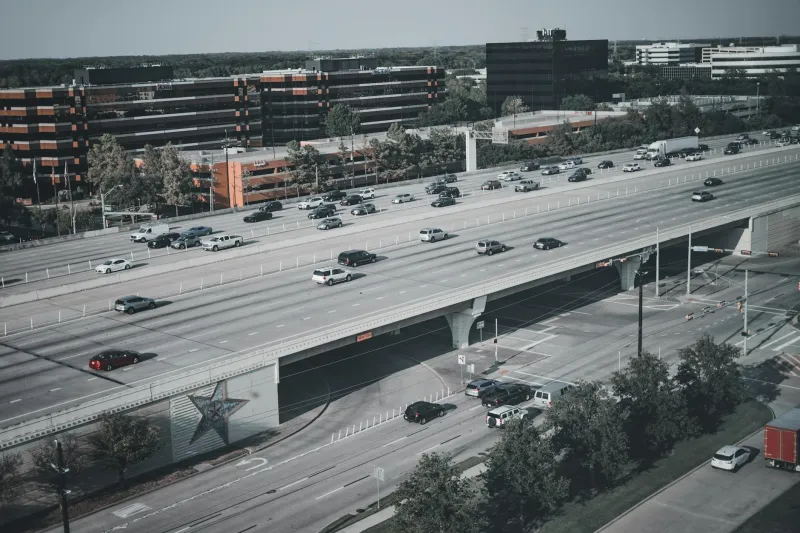
Here's what happens when everyone camps in the middle lane: the highway stops working as designed. Traffic engineers build three-lane highways with a specific flow pattern in mind. The right lane handles merging traffic and slower vehicles. The left lane serves as a passing zone for faster traffic. The middle lane is meant to be transitional space—not a permanent residence.
When drivers treat the middle lane as their default home, they force faster traffic to weave around them on both sides. A car trying to pass a middle-lane camper has to change lanes twice: first to get around the obstacle, then back to their original position. Every lane change increases collision risk, and when you multiply this by thousands of vehicles per hour, you've created a recipe for accidents.
Dr. Robert Bertini, a transportation researcher at Cal Poly, has studied this phenomenon extensively. His data shows that highways with heavy middle-lane usage experience significantly more rear-end collisions and sideswipe accidents than those where drivers follow "keep right except to pass" protocols.
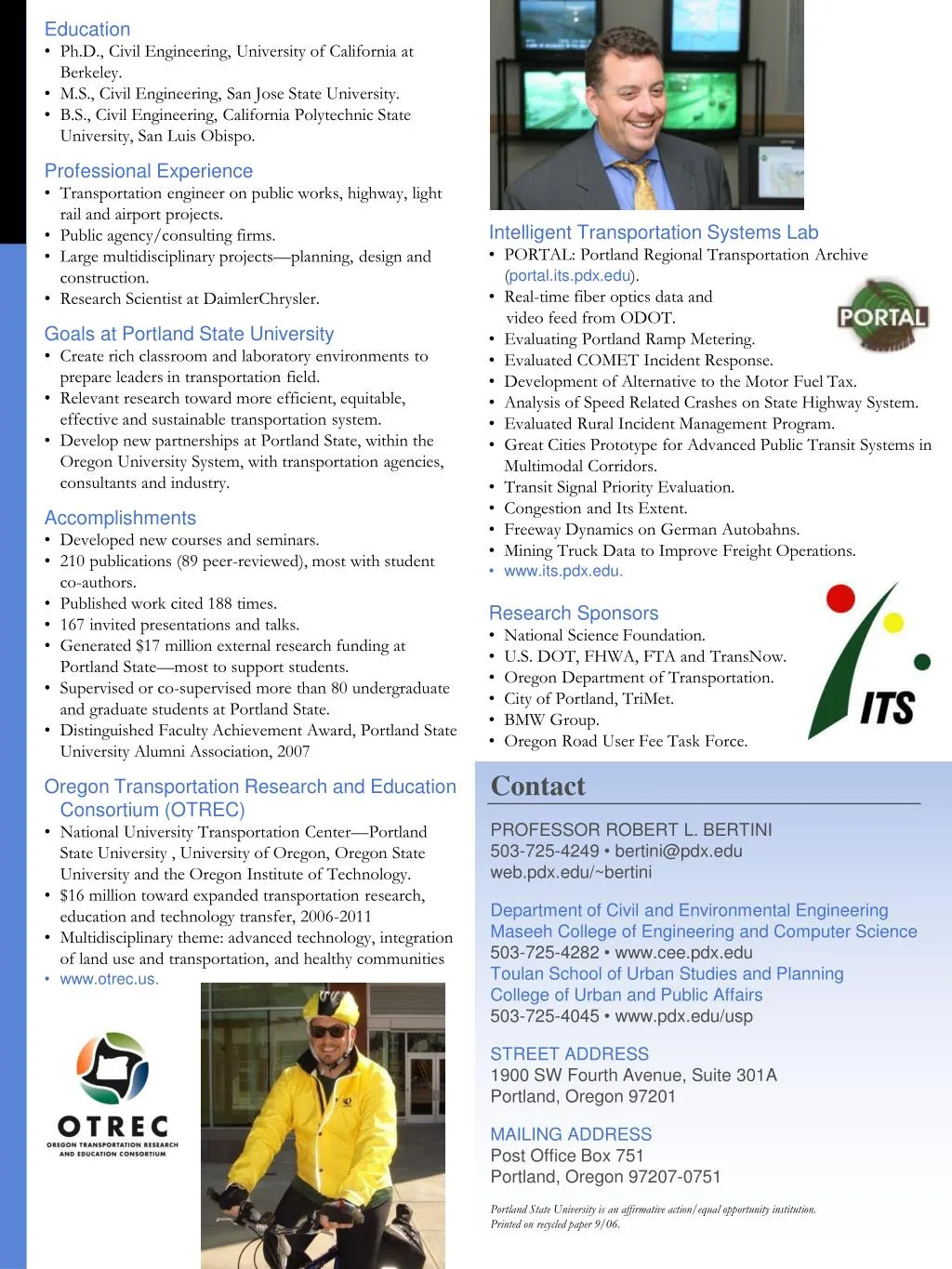 Photo: Dr. Robert Bertini, via image2.slideserve.com
 Photo: Cal Poly, via api.coarchitects.com
The European Difference
Drive on a German autobahn or a British motorway, and you'll notice something immediately: the right lane actually gets used. European drivers learn a fundamental rule that never took hold in America—slower traffic keeps right, period. This isn't just courtesy; it's typically enforced law.
The result? European highways move more traffic with fewer accidents, despite often having higher speed limits. When drivers use lanes as intended—with the rightmost lane as the default and other lanes for passing—traffic flows more predictably. Predictability is safety.
Why America Never Got the Memo
So why didn't this system catch on in the United States? The answer involves a perfect storm of infrastructure design, driving culture, and legal enforcement.
First, American highways were built differently. Many of our interstates have entrance ramps every mile or two, creating constant merging activity in the right lane. European motorways often have longer stretches between on-ramps, making the right lane more consistently usable for through traffic.
Second, American driver education never emphasized lane discipline the way European systems do. Most U.S. drivers learn to "pick a lane and stick with it" rather than thinking dynamically about traffic flow.
Third, enforcement matters. While many U.S. states technically have "keep right except to pass" laws, they're rarely enforced. Police focus on speed violations rather than lane violations, so the behavior persists without consequence.
The Real Numbers
The Federal Highway Administration has been tracking this issue since the 1990s. Their research shows that proper lane usage can increase highway capacity by up to 20% without adding a single mile of new pavement. That's the equivalent of building one out of every five highway lanes for free, just by changing driver behavior.
More importantly, highways that successfully implement lane discipline see accident rates drop by an average of 15%. The Insurance Institute for Highway Safety has documented similar findings: weaving-related accidents decrease dramatically when traffic maintains proper lane spacing and usage.
The Psychological Trap
The middle lane feels safe because it provides options—you can move left or right if needed. But this flexibility is an illusion. When everyone makes the same "flexible" choice, the middle lane becomes a slow-moving parking lot surrounded by frustrated drivers making risky maneuvers.
Traffic psychologists call this the "paradox of choice" in driving behavior. The option that feels safest for the individual creates danger for the collective. It's similar to how everyone trying to exit a burning building at once creates a deadly bottleneck—the rational individual choice becomes irrational when multiplied across a group.
What Actually Works
The solution isn't complicated, just unfamiliar to American drivers. Use the rightmost lane as your default position. Move left only to pass or when traffic conditions require it, then return right when possible. Think of highway lanes like an escalator—stand right, walk left.
This doesn't mean crawling along at 45 mph in the right lane. It means matching the flow of traffic in the rightmost available lane and only moving left when you need to pass someone going slower.
Some states are starting to take enforcement seriously. In 2020, Indiana issued over 1,100 tickets for left-lane camping, and they've seen measurable improvements in traffic flow on their major highways.
The Takeaway
The next time you're tempted to settle into the middle lane for a long highway stretch, remember that you're not just choosing your own path—you're shaping traffic patterns for everyone around you. The cautious choice that feels responsible is actually creating the chaos it's meant to prevent. Sometimes the safest thing you can do is follow rules that feel counterintuitive but work better for everyone.