The Gratuity System America Fought Against — Until Restaurants Made It Our Problem
The Aristocratic Import Americans Once Rejected
If you've ever felt confused about when, where, and how much to tip, you're experiencing the lingering effects of a cultural battle America lost over a century ago. What feels like common courtesy today was once considered a fundamental threat to American values.
Tipping arrived in America during the 1860s, brought back by wealthy Americans who had traveled to Europe and witnessed the aristocratic practice of rewarding servants. But unlike Europeans, who had centuries of established class hierarchies, Americans initially recoiled at the idea. The practice struck many as fundamentally un-American — a way of creating artificial social rankings that contradicted the nation's democratic ideals.
Anti-tipping leagues formed across the country in the early 1900s. The movement wasn't driven by cheapskates; it was led by people who genuinely believed that tipping corrupted both the service relationship and American society. They argued that tips created servility, encouraged favoritism, and worst of all, allowed employers to shift their labor costs onto customers.
How Post-Civil War Labor Shaped Modern Service
The story takes a darker turn when you examine who was expected to work for tips. After the Civil War, as the Pullman Company hired newly freed slaves as railroad porters, they discovered something convenient: they could pay these workers almost nothing and let passengers make up the difference through gratuities.
This wasn't an accident. It was a deliberate strategy that allowed companies to maintain the appearance of employment while avoiding the responsibility of paying living wages. The practice spread to restaurants, hotels, and other service industries, particularly in jobs that employed Black workers and immigrants.
What's remarkable is how this system, born from post-slavery labor exploitation, became rebranded as a reward for exceptional service. The narrative shifted from "employers refusing to pay workers" to "customers showing appreciation for good service."
The Percentage That Keeps Climbing
Your parents probably remember when 15% was considered generous. Your grandparents might recall when 10% was standard. Today, many payment systems start their suggested tips at 20%, with options reaching 25% or higher.
This isn't inflation — it's expansion. The tipping economy has grown far beyond restaurants. Coffee shops, food trucks, retail stores, and even self-service kiosks now prompt for tips. Each expansion normalizes the idea that customers, not employers, should ensure workers earn living wages.
The percentage creep isn't accidental. As labor costs rise but menu prices remain competitive, restaurants have discovered that it's easier to let tip expectations increase than to raise prices directly. A $20 meal with a $4 tip feels different from a $24 meal, even though the customer pays the same amount.
The Hidden Economics of "Generous" Americans
Americans often pride themselves on being good tippers, especially compared to Europeans. But this misses the fundamental economic reality: European servers typically earn living wages without tips, while American servers often earn as little as $2.13 per hour before gratuities.
When you tip 20% at an American restaurant, you're not being generous — you're participating in a wage subsidy program. The restaurant industry has successfully convinced customers that this system benefits everyone: diners get better service, servers earn more money, and restaurants keep prices low.
The reality is more complicated. Tipped workers face income volatility that makes budgeting nearly impossible. They're vulnerable to discrimination, as studies show that attractive servers, white servers, and female servers typically earn more in tips than their equally skilled counterparts. The system that's supposed to reward good service often rewards characteristics workers can't control.
Why Other Countries Moved On (And We Didn't)
Many countries that once had tipping cultures have largely abandoned them. Australia eliminated tipping in the 1980s. Most of Europe treats tips as small change for truly exceptional service, not wage supplements. Japan considers tipping insulting.
These societies didn't become less generous — they decided that employers, not customers, should be responsible for paying workers. The result is more predictable income for workers and simpler transactions for customers.
America stuck with tipping partly because it became entrenched during the Great Depression, when both workers and employers were desperate for any system that kept businesses operating and people employed. By the time the economy recovered, the practice had become so normalized that changing it seemed impossible.
The Modern Tipping Trap
Today's tipping culture creates a peculiar situation where everyone feels trapped. Customers feel obligated to tip even for poor service. Workers depend on tips but have no guarantee of earning them. Employers benefit from lower labor costs but face criticism for underpaying staff.
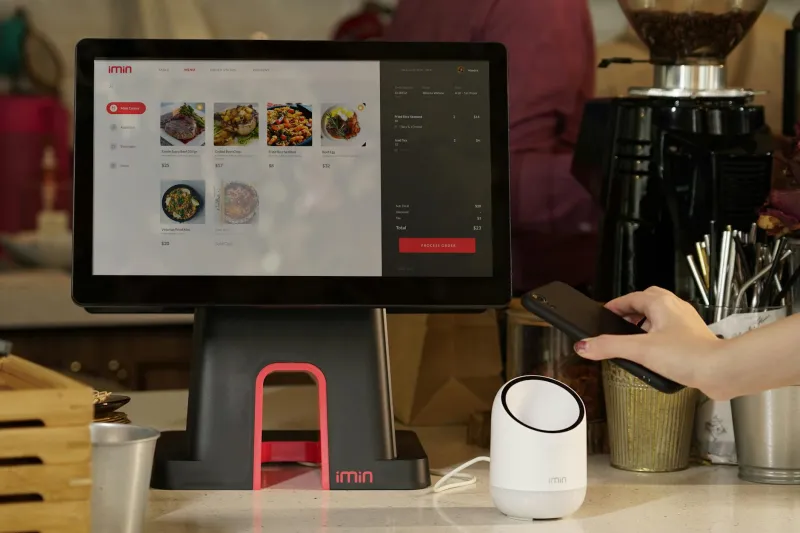
Meanwhile, the rise of digital payment systems has made tipping more frequent and more visible. That tablet spinning toward you at the coffee shop isn't just asking for a tip — it's making your decision public, adding social pressure to what was once a private choice.
What We Actually Bought Into
The next time you automatically calculate 20%, remember that you're participating in a system that America once rejected as incompatible with democratic values. The practice we now consider generous was originally designed to let employers avoid paying living wages.
This doesn't mean you should stop tipping — in the current system, that would only hurt workers who depend on gratuities. But it might change how you think about those suggested tip amounts appearing on more and more payment screens. What feels like generosity is often just covering for someone else's refusal to pay their employees properly.
The assumption that tipping rewards good service obscures the reality that it primarily subsidizes low wages. We're not just tipping for service — we're funding a labor system that other developed countries abandoned decades ago.