Scientists Proved Goldfish Have Excellent Memories Decades Ago, But the Three-Second Myth Refuses to Die
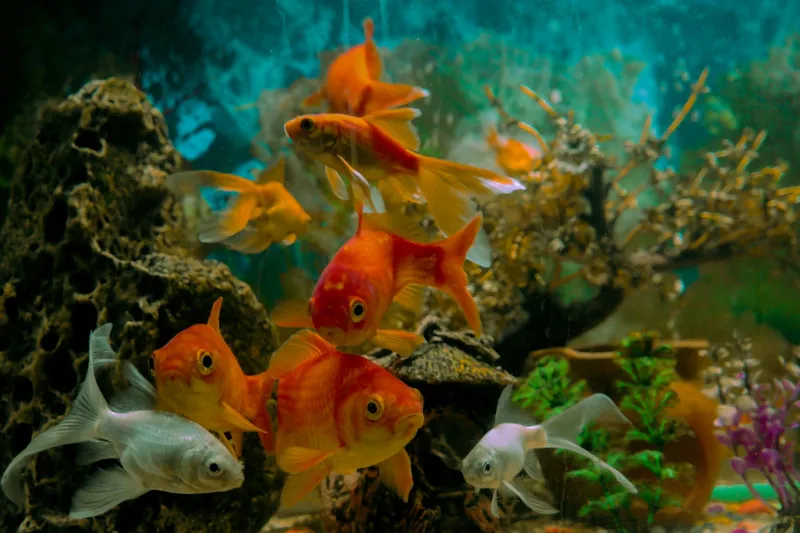
The Memory Myth That Became a Cultural Metaphor
Somewhere along the way, goldfish became the poster children for forgetfulness. "You have the memory of a goldfish," people say, invoking an image of a creature that supposedly forgets everything every three seconds. The comparison has become so embedded in American culture that it appears in movies, TV shows, and everyday conversation as accepted fact.
There's just one problem: goldfish actually have excellent memories, and scientists have been proving this for decades.
What the Research Actually Shows
Studies on goldfish memory date back to the 1960s, and the results consistently contradict the three-second myth. Researchers have trained goldfish to navigate mazes, respond to different colored lights, and perform tricks on command. Some goldfish have demonstrated memory retention for months, not seconds.
In one notable experiment, scientists trained goldfish to push a lever to receive food only during certain hours of the day. The fish learned the schedule and would only approach the lever during feeding times, even when the schedule changed. This type of time-based learning requires memory that extends far beyond three seconds.
Other studies have shown goldfish can recognize and remember human faces, distinguish between different pieces of classical music, and learn to associate specific locations with food or danger. These behaviors require both short-term and long-term memory formation.
The Real Source of the Three-Second Story
The origin of the three-second goldfish memory claim remains murky, but it likely emerged from casual observations of goldfish behavior in small, barren bowls—the standard goldfish habitat for much of the 20th century.
In a tiny, featureless environment, goldfish exhibit repetitive swimming patterns that can look mindless to human observers. They circle the same small space, seemingly unaware of their previous laps. This behavior gets interpreted as evidence of memory loss, when it's actually a response to an impoverished environment.
The three-second timeframe probably came from watching goldfish in pet stores or small home aquariums, where the fish might complete a full circuit of their container in about three seconds. Observers assumed each lap represented a fresh start, as if the fish had forgotten the previous circuit.
The Environment Makes the Memory
Goldfish behavior in laboratory settings tells a completely different story than goldfish behavior in tiny bowls. When provided with enriched environments—larger tanks, varied terrain, hiding spots, and social interaction—goldfish demonstrate complex behaviors that require significant memory capacity.
They establish territories, form social hierarchies, and develop individual personalities. They remember feeding schedules, recognize their caretakers, and can be trained to perform increasingly complex tasks. The difference isn't in the fish's cognitive capacity—it's in the environment that allows or prevents that capacity from being expressed.
This pattern extends beyond goldfish to many animals whose intelligence gets underestimated based on their behavior in artificial, restrictive environments. Zoo animals, laboratory mice, and pets in inadequate habitats often exhibit repetitive or seemingly mindless behaviors that reflect their circumstances, not their cognitive limits.
Why We Judge Animal Intelligence by Human Standards
The persistence of the goldfish memory myth reveals something about how humans assess intelligence in other species. We tend to look for behaviors that mirror human cognitive patterns, and we often test animals in environments that favor human-style thinking.
Goldfish intelligence might not look like human intelligence, but that doesn't make it less real. Their memory systems evolved to help them navigate complex aquatic environments, avoid predators, find food sources, and interact socially with other fish. These skills don't translate obviously to human-designed tests or human-dominated environments.
When we judge goldfish by their behavior in a small glass bowl, we're essentially testing human intelligence by observing someone locked in a closet. The environment shapes the behavior, and the behavior gets mistaken for cognitive capacity.
The Cultural Life of Scientific Myths
The goldfish memory myth persists despite decades of contradictory research because it serves a cultural function beyond its scientific accuracy. It provides a convenient metaphor for short attention spans, forgetfulness, and perceived lack of awareness.
Saying someone has "the memory of a goldfish" is more colorful than saying they have a poor memory. The three-second timeframe adds specificity that makes the comparison feel scientific, even though it's completely fabricated.
The myth also reinforces human superiority over other animals, which makes it psychologically satisfying to repeat. If goldfish are mindless creatures that forget everything instantly, then human memory and intelligence appear more impressive by comparison.
The Broader Pattern of Animal Intelligence Myths
Goldfish aren't the only animals whose cognitive abilities have been systematically underestimated. Pigs were thought to be dirty and stupid until research revealed they're among the most intelligent mammals. Crows were dismissed as simple scavengers before scientists discovered their remarkable problem-solving abilities and tool use.
These misconceptions often persist because they justify human treatment of animals or make humans feel special by comparison. The goldfish memory myth supports keeping fish in tiny bowls because "they won't remember anyway." The reality—that goldfish have complex needs and cognitive abilities—would require more thoughtful care.
What Goldfish Actually Remember
Modern goldfish research reveals memory capabilities that would surprise most people. Goldfish can remember feeding schedules for weeks, learn to navigate complex environments, and retain social memories about other fish in their community.
They demonstrate what scientists call "spatial memory"—the ability to remember locations and navigate based on landmarks. They show "temporal memory"—understanding of time patterns and schedules. They exhibit "social memory"—recognition of individual fish and humans they encounter regularly.
Some trained goldfish have learned to play soccer, basketball, and other games that require remembering rules, recognizing goals, and adapting strategies based on previous attempts.
The Takeaway: Environment Shapes Expression, Not Capacity
The next time someone mentions goldfish memory, you'll know they're referencing a myth that says more about human assumptions than fish cognition. The three-second story persists because it's convenient, memorable, and supports existing beliefs about animal intelligence.
The real lesson from goldfish research extends beyond fish: intelligence often gets hidden or revealed by environment and opportunity. What looks like stupidity might actually be a perfectly reasonable response to an unreasonable situation.