The Brain Capacity Lie That Made Us Feel Special — And Science Can't Kill
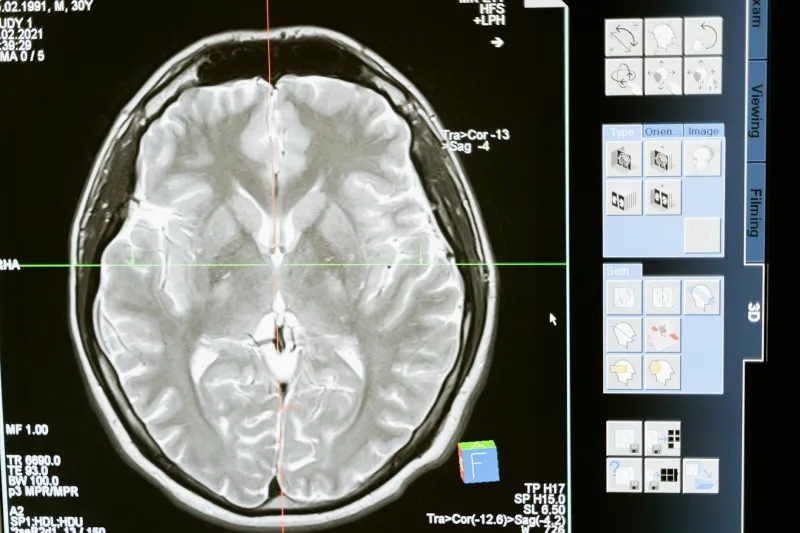
Walk into any self-help seminar, scroll through motivational Instagram posts, or watch a sci-fi thriller, and you'll encounter one of the most persistent myths in popular culture: humans only use 10% of their brains. It's a seductive idea that suggests we're all sitting on a goldmine of untapped potential, just waiting to unlock our hidden genius.
There's just one problem: it's complete nonsense. And has been for over a century.
The Science Is Clear — We Use Nearly Everything
Modern brain imaging technology tells a dramatically different story than the 10% myth suggests. PET scans, fMRI machines, and other neuroimaging tools reveal that even during simple tasks, we're using far more than a tenth of our brain. During sleep — when we're supposedly "inactive" — brain scans light up like Christmas trees.
Neuroscientist Barry Beyerstein put it bluntly: "We use virtually every part of the brain, and most of the brain is active almost all the time." Even basic functions like breathing, maintaining balance, and processing sensory information require coordination across multiple brain regions.
The confusion comes from thinking about brain usage like a computer's processing power — as if 90% of our neural hardware is sitting idle, waiting for activation. But brains don't work like computers. Different regions handle different functions simultaneously, creating a complex network where "unused" doesn't really exist.
Where This Stubborn Myth Actually Started
Tracing the 10% claim to its source is like following a game of historical telephone. The myth likely emerged from misinterpretations of early 20th-century brain research, when scientists were just beginning to understand neural function.
Some point to psychologist William James, who wrote in 1906 that "we are making use of only a small part of our possible mental and physical resources." But James wasn't talking about brain anatomy — he was making a philosophical point about human potential. Others trace it to neurosurgeon Wilder Penfield's experiments in the 1930s, where electrical stimulation of certain brain areas produced no obvious response, leading to speculation about "silent" regions.
The problem is that early researchers didn't have the tools to understand what these seemingly quiet brain areas actually did. What looked like unused real estate was often performing crucial background functions or serving as integration hubs for other regions.
Hollywood's Role in Keeping the Myth Alive
While scientists moved on from the 10% idea decades ago, Hollywood embraced it with open arms. The myth became narrative gold for filmmakers who needed a pseudo-scientific explanation for supernatural abilities.
Movies like "Lucy" (2014) built entire plots around the premise that accessing more of our brain would grant superhuman powers. The film's tagline literally asked, "What if we could access 100% of our brain?" Television shows from "Heroes" to "Limitless" have used the same premise to explain everything from telepathy to perfect memory.
These portrayals aren't just harmless fiction — they actively reinforce the misconception in popular culture. When a major motion picture presents the 10% myth as scientific fact, it carries more weight with audiences than a dozen peer-reviewed studies debunking it.
The Self-Help Industry's Favorite Fiction
Perhaps nowhere has the 10% myth found a more comfortable home than in the self-improvement industry. Motivational speakers, life coaches, and personal development gurus have built entire careers around the promise of "unlocking your brain's full potential."
The myth perfectly serves the industry's needs: it suggests that everyone has vast reserves of untapped ability, that current limitations are self-imposed, and that the right technique or mindset can unlock extraordinary capabilities. It's simultaneously flattering (you're secretly brilliant) and empowering (you can access this brilliance).
Books with titles like "How to Use 100% of Your Brain" continue to sell well, despite being based on fundamentally flawed premises. The myth has become so entrenched in self-help culture that correcting it would undermine entire business models built around "brain optimization."
Why We're So Reluctant to Let This Go
The 10% brain myth persists not because of evidence, but because of emotion. It tells us exactly what we want to hear: that we're capable of far more than we realize, that our current struggles are temporary, and that transformation is just a matter of accessing our hidden potential.
In a culture obsessed with optimization and self-improvement, the idea that we're already using most of our cognitive resources feels limiting, even depressing. It's much more appealing to believe that genius-level intelligence is just locked away, waiting for the right key.
The myth also plays into our fundamental misunderstanding of how intelligence and ability actually work. Real cognitive improvement comes from practice, learning, and developing better thinking strategies — not from activating dormant brain regions. But that's harder work than unlocking a magical 90% of unused potential.
The Real Story About Brain Potential
Here's what neuroscience actually tells us about brain potential: while we use most of our brain, we can absolutely get better at using it. Neuroplasticity — the brain's ability to form new connections and adapt — means we can develop new skills, strengthen existing abilities, and even recover from injuries throughout our lives.
But this improvement comes through specific, effortful practice, not through accessing some hidden vault of unused neurons. Learning a new language, mastering a musical instrument, or developing expertise in any field literally rewires the brain, creating stronger and more efficient neural pathways.
The truth is both less magical and more empowering than the 10% myth: we can't suddenly access vast reserves of untapped brain power, but we can continuously improve how effectively we use what we have.
The Takeaway: Why We Love Beautiful Lies
The persistence of the 10% brain myth reveals something important about human psychology: we're drawn to explanations that make us feel special, even when they're wrong. The myth survived because it flatters our egos and promises easy transformation.
Real self-improvement is messier and more gradual than accessing hidden brain power. But it's also more reliable, more sustainable, and ultimately more rewarding than chasing fictional shortcuts to genius. Sometimes the truth is less exciting than the myth — but it's always more useful.