Your Body Already Has a Detox System — The Wellness Industry Just Convinced You It Wasn't Working
Walk into any health food store, scroll through wellness Instagram, or browse late-night infomercials, and you'll encounter the same promise: your body is full of toxins, and you need their product to flush them out. The detox industry has convinced millions of Americans that their natural biological systems are failing them.
The Assumption Everyone Accepts
Most people believe their bodies accumulate harmful substances over time — from processed food, pollution, stress, or modern living — that require special intervention to remove. This assumption drives a multi-billion dollar industry of juice cleanses, detox teas, colon cleanses, and fasting protocols. Walk through any grocery store and you'll find products promising to "flush toxins," "cleanse your system," or "reset your body."
The underlying belief is simple: modern life fills us with bad stuff, and we need to actively do something to get it out.
What's Actually Happening Inside You
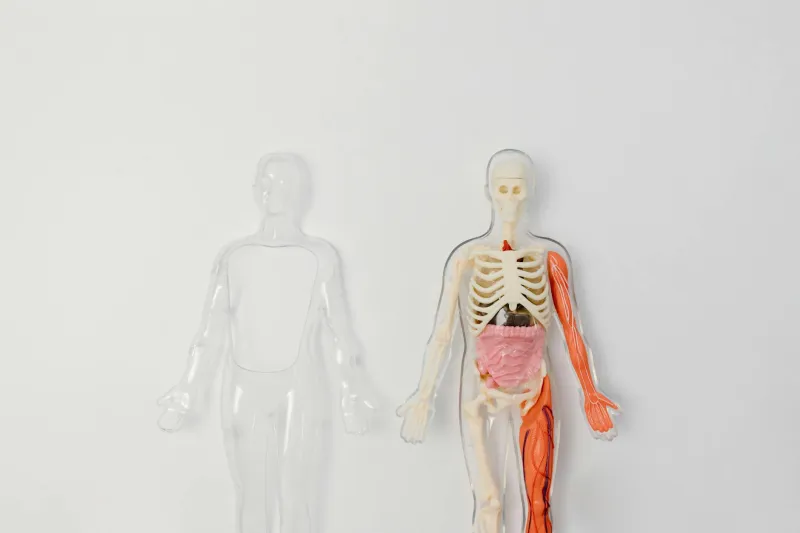
Your body operates a sophisticated waste management system that works around the clock without any help from expensive supplements. Your liver processes and neutralizes harmful substances, your kidneys filter waste from your blood, your lungs expel gaseous waste, and your digestive system eliminates solid waste. This system has been refined over millions of years of evolution.
When detox marketers talk about "toxins," they're almost never referring to specific, measurable substances. Real toxins — like heavy metals, alcohol, or pharmaceutical drugs — are handled by your liver and kidneys through well-understood biological processes. These organs don't need a three-day juice fast to do their job effectively.
Dr. Edzard Ernst, a former professor of complementary medicine, has pointed out that when pressed for specifics, detox product manufacturers rarely identify which exact toxins their products remove or provide evidence that these substances were present in harmful amounts to begin with.
The Marketing Magic of Vague Language
The genius of detox marketing lies in its imprecision. Terms like "toxins," "impurities," and "waste buildup" sound scientific without making specific claims that could be tested or disproven. This vague language allows consumers to project their own concerns onto the product.
Feeling sluggish? Must be toxins. Skin breaking out? Definitely toxins. Gained weight? Time for a cleanse to remove those toxins.
This approach makes the claims nearly impossible to refute because they're never clearly defined in the first place. It's like selling a product that removes "bad stuff" — how do you prove there wasn't any bad stuff to begin with?
How We Got Here: From Snake Oil to Wellness
The modern detox industry has roots in early 20th-century health movements that promoted colonic irrigation and fasting as cures for various ailments. These ideas gained traction during an era when people had limited understanding of how the body actually works.
The concept got a major boost in the 1970s and 80s when alternative health practitioners began promoting liver cleanses and elimination diets. The rise of the internet allowed these ideas to spread faster than scientific correction, and social media gave them visual appeal through before-and-after photos and celebrity endorsements.
Today's wellness industry has repackaged these old concepts with modern marketing, turning liver detoxification — a normal biological process — into something you need to purchase.
What the Science Actually Shows
Studies of commercial detox products consistently show they don't remove specific toxins from the body any better than your organs already do. A 2015 review published in the Journal of Human Nutrition and Dietetics examined the evidence for commercial detox diets and found no compelling research to support their use.
What these products often do is cause temporary water weight loss through diuretic effects, create digestive changes that people interpret as "cleansing," or simply make people feel like they're taking positive action for their health — which can have psychological benefits regardless of the product's actual effectiveness.
Some detox protocols can actually interfere with your body's natural processes. Extreme fasting can stress your liver, excessive water consumption can dilute essential electrolytes, and some herbal supplements can interact with medications or cause their own side effects.
Why the Myth Persists
The detox myth endures because it offers a simple solution to complex problems. Feeling unwell? There must be toxins. Want to lose weight quickly? Cleanse them out. Looking for a fresh start? Reset your system.
This narrative is particularly appealing in a culture that often feels overwhelmed by environmental concerns, processed food, and busy lifestyles. The idea that you can undo damage with a weekend cleanse provides psychological comfort and a sense of control.
The placebo effect also plays a role. When people invest time, money, and effort into a detox protocol, they often feel better simply because they expect to — and because they're usually eating more fruits and vegetables and drinking more water than usual.
The Real Takeaway
Your liver and kidneys are already running a 24/7 detox operation that's more sophisticated than anything you can buy. If you want to support these systems, the most effective approach is maintaining overall health through adequate sleep, regular exercise, moderate alcohol consumption, and a balanced diet.
The next time someone tries to sell you a detox product, ask them to name the specific toxins it removes and show you the peer-reviewed research proving their product works better than your existing organs. You'll likely get a lot of hand-waving about "impurities" and "cleansing" — which is exactly the point.
Your body isn't broken and doesn't need fixing. It's been successfully managing waste removal since before the wellness industry existed, and it'll keep working long after the next detox trend fades away.